When we moved in, our property had been neglected for several years. Trees were overgrowing the house, barn, and pond. They would bush hog the pasture each year, so there weren’t many large trees, but there were a whole lot of smaller trees, especially sumac (which makes a tasty treat, but is not great to have all over the field). Last year, we were wondering what we would do to clear the field. While planting our chestnut trees up by the road, a neighbor stopped his truck and asked if we would mind if he brush hogged our field for us. Mind? That was amazing! That cleaned things up nicely, but still left six inch stumps everywhere (since the brush hog is a field flattener, not a lawn mower). Those stumps make it hard to walk (and easy to trip), and impossible to tether the goats since they get their chains wrapped on them immediately. One of our activities in April (and before), is to go out with long handled garden clippers and cut hundreds (thousands?) of the tree stumps down to the ground. After clearing about half an acre we brought in our mower and mowed everything down. I don’t want to be mowing often, but it was amazing to see the area cleaned up. Now we just need to maintain it and let the goats eat the new sumac as it comes up! (The cattle don’t eat the sumac.) It was a lot of work, but was a fun activity with my boys as we all went out together to give the field a haircut by hand. Now we just have the next ~2.5 acres to do. :o)
Clearing vines
Along with clearing the field, parts of our woods look like something out of an exploration of a long lost, ancient civilization. The vines are so thick that you can’t make it through the forest. While I like having natural, wild areas, this is killing the trees underneath that support those vines. It has been a fun and fulfilling activity to clear the forest of the vines and dead trees that are damaging the living trees. For how bad it was, clearing it has gone much more quickly than I expected, and like exploring an ancient civilization we have discovered artifacts from years gone by, namely old, rusty, twisted barb wire fence, which we are working on removing though it is imbedded into many of the trees and root systems.
While working, I couldn’t help but think of the effects of sin. From the outside these areas looked wild, but beautiful (at least in the spring), as honeydew and other flowers grew off of the vines. However, once we worked our way inside (which took effort), it was dark and dead. Dead branches. Dead trees. This death came slowly, from many years of letting the vines work their ways up and through the trees. It probably just looked pretty at first, until it was out of control. We now have one area clear of vines, through the death below remains, … and the roots of the vines remain. Sin works its way in, and may even seem nice at first, but then it kills. Fortunately, vines, unlike sin, make great food for the goats, so these vines will be managed instead of being removed completely, but either way, they need to be dealt with or they will destroy.
New trees
We planted some new trees including cherry, peach and plum. We’ll see what happens as the area where they were planted is needing some help to bring life back to the soil. (This is true for much of our property and we are working on building healthy soil with the help of our animals.)
Plant potatoes
We planted our potatoes in the big garden. Some recommend cutting up the potatoes with multiple sprouts to have more potatoes. Someone we respect recommends keeping them whole for various reasons, so we are going with that route, since our seeded potatoes are not big. We’ll see how it goes!
Potato leaves coming up fast… now to wait and see what’s growing below.
Figs to life
We thought our fig trees were dead after the winter. It turns out that those above ground trees were dead, but the roots were good and new trees are coming up quickly. Apparently this is a normal routine since they are for more of a tropical climate (unless we can protect them for the winter). They should still produce fruit, and we’re looking forward to this possibility.
Seeds sprouted
As well as the animals, our two gardens are going well. This is the first growing season for the one plot (second for the other), so we are still developing the soil, but things are growing well. It’s nice to have the rabbit droppings as the perfect fertilizer for the gardens. Once the rain stops we will be harvesting our first batch of potatoes (on a dry day so that we can dry them a bit to store longer). Our tower gardens are also growing well and producing our greens along with some different greens in our bathtub garden (why throw away a leaking tub when you can grow in it!).
Border Fencing
Goats are known to be escape artists. We are blessed to have very contented (non jumpy) goats. However, their quicklinks on their chains have come loose occasionally (one day three of them got off their chains), and they wander around. So far no problems, but as mentioned with the ducks (and for our cattle… and toddler) we are looking into options to add to our fence to avoid problems.
The spring is a VERY busy time of year on the homestead as everything is growing and waking up. I’m way behind on getting this update out, and it is long, but it’s exciting to recall all that has been happening. We’ll divide this update into four posts (Animals, Land, People and Other). With our primary audience being our children, it’s nice to have this record. I just reread the following, and it’s such a joy to see all that God is doing to teach, challenge and grow us to make us more like himself.
1: Animal Updates
Milking
In the last update I mentioned that we now have two cows (correction: head of cattle). We do not have 2 COWS. We have one cow (a female after having a baby), and one heifer (a female which has not yet had a baby). We also have three goats which have given birth within the past few months. The four ruminants with babies have brought what is likely the biggest change to our homestead routine… milking.
the Cow
The cow and goats have brought their unique challenges to work through.
While our cow is a small dexter (see the last update), she could still squash us if she desired. She’s very gentle, so there’s not much risk of that, but still, we can’t just move her where we want her. Our first milking involved one of my sons with a bucket and me with treats. She would stay near the treats, but my son was basically chasing her in a circle trying to milk her. Funny, but not very efficient. We then tried chaining her to a tree with treats. This worked quite well (and she is perfectly happy eating), but getting her to a tree (often outside of the fence), was a flight risk and a hassle. When we were researching, most people use a stanchion, which locks the cows head, but that also seemed hard to move, etc. so we weren’t sold on it (and why learn from others failures when we can have our own :o).
We now have a system that works great for us. Our cows are grazing rotationally. They move to a new pattock every day. We do this with a single strand of electrical fence (it amazes me that that small rope keeps them in, when they could easily hop it, smash it, etc.). Roughly each week, we make a long alley of rope about 300 feet down the pasture and 40 feet across. We pound a T-post at the top of the hill and put a chain (about 8 inches) and clip at the base. Both Bonnie (the cow) and Red (the heifer) start at the top of the hill with a space ~40 feet across. They are separated (by one strand of rope) all night. The next day, we bring treats and sit on buckets next to the T-post. Bonnie happily comes on her own. While she is munching the treats, I (Rob) clip her to the post. She stays there while one of my son’s milks her. After milking, we release the chain and open the rope so she and Red can be together. Later in the day, we move the rope a little further down the hill and separate them to start the cycle again. This has worked quite well. We still have the problem of her occasionally shuffling her feet so that my son can’t milk very easily or rotating a bit around the T-post (what I call bowling for my son), but overall this has worked well, is very quick to set up and I doubt a stanchion would do any better. We’re very grateful for the cow (and heifer) that God provided.
Milking Bonnie out in the field
the Goats
The goats are a different story. They too are moved everyday, but unlike the cows are easy to leash and move. We just tether them to tires and move the tires to areas with lots of forage (recently clearing an area of woods that was extremely overgrown).
To milk them we set up a stanchion in the garage (a few times milking in the rain with chickens jumping on us, in the milk, etc. taught us that something needed to change). We just leash one at a time and they know exactly what to do. They will walk right past their home and baby to the door of the garage. As soon as we open it, they walk in, jump up on the stanchion and put their head through. One of the boys then milks her while another gives treats and I hold her hind feet to keep her from stepping into the milk pail. We can then relax, talk and milk.
While we don’t have that much milk compared to the huge dairy breeds (less than a gallon a day total), we have plenty of fresh, high quality, raw milk for our family. With the abundance of milk, we’ve been able to experiment with making cheese and ice cream, as well as having plenty of milk to enjoy. We often are reminded of the truth of Proverbs 27:27, “There will be enough goats’ milk for your food, for the food of your household and maintenance for your girls.” We have seen the abundance of God’s provision, and how he created cows, goats and other ruminants to turn the solar energy caught in the grass into an abundance of healthy food for the whole homestead (even the garden likes a nutritional boost of raw milk).
Our early goat milking set up (now moved inside… away from the chickens!)
Too cold for bees
We haven’t caught a swarm of bees yet. We were wondering what we did wrong… until we learned that no one else seems to be catching them either. The colder, wetter temperatures this year are keeping the bees from swarming. Hopefully we’ll provide a nice home for a swarm when the weather warms up.
Diatomaceous Earth
Goats and Cows and Parasites (Oh, my!) While we rotationally graze our animals each day (though the goats have a home base for night), parasites are still something to consider during the rainy season. We recently learned that it can be good to include Diatomaceous Earth with their feed to kill parasites. I’m not 100% convinced that this is the best, but it was recommended by several friends who know a lot more than we do (a LOT more), so we’re going with them on this one.
Ducks and chicks hatch
This spring we had three broody mother hens. One had 8 chicks hatch. One had 13 chicks hatch. And the last had 10 chicks hatch. It’s fun seeing the chicks since they aren’t actually (or exclusively) her eggs. The eggs could be from any of our various types of chickens, so when they hatch they are a whole mix of colors. The third momma hen had an even more interesting group of chicks. Her eggs were all duck eggs that we put under her, so now we have 10 little ducks following their momma hen around. Being ducks, they are naturally drawn to water, but can’t swim quite yet. When they are splashing around in shallow water, you can see the concern from their momma hen. In a few weeks, they will likely discover their full duckness and go off on their own, while momma hen returns to her normal routine. (This will happen for the baby chicks as well, and is normal.)
Momma Hen with her chicks ducklings!
Two sets of rabbits
As well as baby ducks and chicks, we also have baby rabbits (and the goats which were mentioned in the last update). The same buck is the dad for both sets with two different does. For the one set, the buck and doe are the same type of purebred rabbit and their bunnies look just like them. The other doe is one we picked up later. She must have a mix of breeds in her. No two of her six babies look the same. We have brown, black, white, half black/white, black eyes, red eyes, etc. They’re all adorable, and all very different from one another.
One nice bonus of having a growing number of rabbits is the manure! Yep, it’s true. Rabbit manure is a nearly perfect fertilizer. Unlike other manure it can be used immediately, with no need to age for a few months/years and is made for soil and plant health.
Ducks wandering
Well, the ducks loved our pond… until the Canadian Geese moved in. The ducks have now become nomadic wanderers. They are usually around our property, but also enjoy our neighbor’s property (which seems to be perpetually wet), our other neighbor’s property (which has a small pond/swamp), and our other neighbor’s property (which… I’m not sure why they go there other than it’s somewhere where the geese are not. We are now looking into options to fence our yard (not just for the ducks). None of the neighbors mind the ducks, but we did have one get hit on the road and we don’t want any incidents (or for our goats, cattle… or toddler) to go wandering.
Canadian geese… Balance to the Land
In the last update, we mentioned the issue with the Canadian Geese. It finally got way out of hand. The goose was chasing our ducks (and everything else) well beyond it’s normal range. This goose was particularly aggressive. We finally called the Missouri Conservation Department and they were able to take care of the goose. That goose is no longer with us, which left a single mom to take care of her goslings. To our surprise, two days later a new male was with her on the pond. Canadian Geese are very smart and have lasting family relationships. We’re thinking that it may be her brother who came to help out. Sometimes (like now) some others also came to the pond. Fortunately, while that first male was very aggressive, these new geese all seem to go with the flow. The balance was returned to our property and everyone is getting along and learning to respect each other’s areas. (As a side note: When reviewing the past months as a family to prepare for this letter, the boys wanted to mention that we also have a blue heron that makes our pond home.)
Jesus said to them, “My food is to do the will of him who sent me and to accomplish his work.”– John 4:34 (ESV)
Food is meant to give us strength and energy to accomplish our earthly work. We need food to live. That’s probably one reason why all four Gospels have recorded the miracle of Jesus feeding multitudes (5000 men, not including women and children). This need is universal. Man or woman, young or old, all need food to live. Food is our fuel. God has created us and designed this needy desire. New-born babies naturally crave mama’s breastmilk. A full-term baby is born with the sucking reflex. As the baby grows, she will explore other solid foods, open for anything you put in front of her. This is the crucial time to develop a taste and delight for real food, rather than highly processed or packaged junk food.
Our twins nursing… Baby goats, like baby people, know what to do for real food.
Children who grow up in different cultures or homes will have different food preferences. Interestingly, children learn different table manners accordingly, as eating is supposed to be more of a social activity. Food is best enjoyed and shared with other people! When you have a good number of people dining together happily, you have a feast! Food can mean very different things to different people at different times. Adam and Eve were given every seed-bearing plant on the face of the whole earth and every tree that has fruit with seed in it (Genesis 1:29). God established the basis for human food. Man sinned. Sin has its ugly destructive consequences and can only get worse without a Savoir. God loves us so much and always provides redemptive plans as we come back to Him. After the earth-wide catastrophic flood (recorded in Genesis 9), God gave Noah permission to eat meat, in addition to plants.
As to why God has given humans permission to eat meat, there are different discussions on this matter. Some say God gave meat as food due to the lack of vegetation after the flood, while others believe meat can supplement the loss of nutritions in plants due to the flood. I am not even attempting to get into the scholastic discussions here with just one post. However, as a Christ-following busy mother, I just want to point out one thing that is very clear: our loving Father always provides generously for what we need!He has designed our bodies to consume and thrive on many kinds of food and has provided abundantly through His creation. Most importantly, the Father has given us His only Son, Jesus, as the perfect sacrificial Lamb of God for our sins. Jesus taught us to eat His flesh and drink His blood as a metaphor. We are to put our trust in Jesus, our ultimate spiritual food, for eternal life!
If we are clear on our eternal destiny, we are good to go further and talk about our earthly food. Otherwise, no matter how good or healthy the food you have here on earth, if you don’t have Jesus, eternal judgment still awaits when you die. Let this sobering thought sink in a bit as we all shall die one day, assuming Jesus does not return before we die. Do you live to eat or eat to live? Is the stomach your god? Why do you eat and live? Have you allowed physical needs, pleasures or worldly pursuits to become more urgent and important than eternal spiritual matters? Those questions keep coming to my mind by the mercy of God. As a homesteader, we interact with food, and its planting, harvesting, preservation, preparation and presentation all the time. It is very easy to get distracted without the anchor of the truly important spiritual food.
On the other hand, we are missing the point if we are deceiving or short-changing ourselves by ignoring the importance of real food. Unfortunately, when a whole culture is deceived, it is very hard to have the discernment to step out of the vicious cycle. The Standard American Diet (SAD) has not only crept into the church, but in some ways I can even say Satan has used the ignorance of the church as a breakthrough to cheat, steal, kill and destroy. Well-intentioned church members or organization leaders have welcomed and prized the toxic and addictive junk food to please the crowd, especially the defenseless children. It’s not hard to find vending machines loaded with junk (notice: I simply can’t call “junk” as food) appearing at churches or Christian schools! Awkwardly, if you are health-conscious or have no allergy issues, you might feel out of place. This is not right, especially with God’s Holy people at the Father’s house. It’s a battle not simply with our health but with the mind and soul.
Let’s go back to the basics again. What is food? King James Bible translates “food” as “meat”. We can easily assume “meat eaters” eat just the “meat” we know without understanding the background or context. The word “meat” has a narrower meaning nowadays, limited only to animal flesh as food good for protein. Little babies or toddlers start to explore the world by putting everything into their mouths. It’s a parent’s job to keep our environment safe and guide the little children on what is good or what is bad. Traditionally, Jewish children start their education with the Book of Leviticus, the third and central book of Torah (or the Law). God’s chosen people are to be set apart, even though we are not limited to Kosher dietary restrictions. Our freedom in our food choices needs to be exercised with wisdom and caution to honor God and express love to others. As a born-again Christian, we are not to judge other people’s food choices and are able to give up our food freedom to lift up another’s faith. This loving principle to not stumble others also applies to other aspects of life choices or decisions.
What first comes to your mind when “food” is mentioned? A few of your favorite meals may start appearing in your head along with people dining with you. In this case, food usually gives you a warm and happy feeling, unless you just had a big meal, feeling stuffed already. This happens more often than I would like to admit in our home. It’s wonderful when food does more than just nourishing the body! Embrace those heart-warming, mouth-watering family meal memories! They are your love bank to encourage you to go back home and to inspire you to fly further away. If you are an adventurous eater, you may even connect different types of food with different people groups or cultures. As you venture out, you make adjustments as you explore life by faith. Just remember Jesus was also judged by whom He was dining with or eating with unwashed hands.
Don’t worry about perfection as you try to eat healthy (for God’s glory) or make friends with people from different backgrounds. Simple things are not always so easy. It takes time to change, to communicate and to understand. In Mark 7:18-19, Jesus says, “Don’t you see that nothing that enters a person from the outside can make them unclean? For it doesn’t go into their heart but into their stomach, and then out of the body.” God cares about our hearts, not our outward performances. How we view food in general or certain food can be so ingrained in our upbringing. We take it for granted for things we do all the time without much thinking. We can offer things we like without knowing how offensive it can be to another culture. We are tempted to cast judgment on others who consume “strange food” in our eyes. Out of stereotype, we may even label certain food as “poor man’s food” without knowing their royal treatments in another culture or setting. If we dig deeper, so many of our values are related to how we view food.
In this fast-paced world, we can simply open a packaged “food” without reading the ingredient list. Most of the time, we probably have no desire to know what is actually in the “food” (if you can still call something even living microbes do not attempt to eat “food”). Modern busy people are easy prey for an “easy” or “convenient” way out (read my testimony with the dishwasher). Before I was saved by my Lord Jesus Christ, I was a slave to my own flesh. I chose quick easy fixes without much conviction. Thankfully, now the Holy Spirit dwelling inside of me will remind and guide me even for what I eat or drink for the Lord and His glory. He loves me too much to leave me where I am and continues to pursue me, shape me for His use.
As a sinless man of God, Jesus has the most healthy relationship with the food he has created. Food, like money, air, water and other created things, are merely used to advance His kingdom for the Father’s glory. He did not worship food, or abuse food. No overeating or picky-eater issues for Jesus. During that time, food was not as convenient or abundant as nowadays. Chinese people, especially the older generations, like to greet each other by saying “Have you eaten?” (你吃过了吗?) It is true people who have gone through famine truly understand both hunger and satisfaction. Thus, food, in Bible times, is more likely to be associated with a deep and joyful satisfaction in life.
When Jesus told his puzzled disciples, “My food is to do the will of him who sent me and to accomplish his work”, He knew his friends need some faith boost more than the physical food. Do you know about this type of mystery food Jesus is talking about? What food satisfies you the most? What are you hungry for? Have you tasted and seen how good the LORD is? “Man shall not live on breadalone, but on every word that comes from the mouth of God.” (Matthew 4:4). May the Lord wet our appetite for the feast of the Lamb.
As we celebrate the freedom we still enjoy in America, as we fellowship with our loved ones, let us rejoice over the food He has made, and remind each other of a greater Kingdom and feast to come! The Heavenly banquet invitation has a seat for you as well (one of the back to the land post). Are you coming?
If you have a good appetite, more Food for thought:
Better is little with the fear of the Lord than great treasure and trouble therewith. Proverbs 15:16
First of all, where I grew up in China, nobody I knew used a dishwasher.
Second, we had a dishwasher for each house/apartment in the States, before we moved to the country. I rarely used those dishwashers but I thought dishwashers are supposed to be a necessity for American kitchens. It seemed to me every American kitchen came with a dishwasher.
Third, we don’t have a dishwasher in our kitchen now and I don’t miss it much.
Just to clarify a point: I am not against the dishwasher. When we first moved here, we were surprised to find that the kitchen didn’t have a dishwasher. On top of all the fixer-upper, clean-up work, not having this “convenience” seems like a challenge. Even though we talked about adding a dishwasher in the future would not be too hard, the limited kitchen counter space made me question our default thinking.
Do we really need a dishwasher? For the few times I did use the dishwashers in the past, it was usually after a large group gathering. Dishwashers can speed things up to some degree. Before we loaded the dishwasher, we would generally pre-rinse them for food scraps. However, we often ended up rewashing some cups afterwards, since there would still be traces of food or have a foggy look. By the time I was done pre- & post-washing, it wouldn’t take me too much longer to just do the job by hand.
I like to utilize what I already have. My favorite feature about dishwashers is actually to just use it as a drying rack after washing dishes in the sink, especially when I have a lot of jars to wash from batch cooking. I could also use the “sterilize” button without the dish soap. Dish soap usually comes with loads of chemicals and their residuals are not good for healthy microbes. This is especially important if you are going to use the containers for fermentation (sourdoughs, sauerkrauts, kombucha, etc.).
That being said, if the (good) microbes don’t like the chemicals, I will try to guard my family’s gut health by saying “no” to those unwanted foreign intruders. That’s the same reason why we have no need for junk food in our pantry. You see, how a truth-based principle can permeate all aspects in life, if we don’t simply follow the default choice or the mainstream fashion. In this case, it is a desire to feed my family wholesome healthy real foods that has challenged us to think about all the chemicals we have allowed into our daily living without much notice. Not only did we stop using the store-bought dishwasher solution, we also started making our own hand soap, bar soap, laundry soap, etc..
Life has its way to come around to humble us as we mature. The truth is, when I was a teen in China, I fantasized about the dishwasher. Doing dishes was my daily chore for many years. Back then, the faucet in our kitchen didn’t have the hot water pipe. Doing dishes in the summer was not too bad, but on the freezing cold days? No fun at all. I was told the cold water was actually helpful in preventing frostbite. The theory is that the cold temperature can stimulate blood circulation and boost immunity over time, as long as you don’t start cold water training in the middle of winter. We also were encouraged to wash our faces with cold water for the same reason. Some people even went all the way to do winter swimming! I can only admire those brave souls!
Well, I didn’t buy the theory that suffering from cold would be good for us when I was a teen. I grumbled, complained, and did the dishes as fast as I could. Sometimes, I heated up some water on the stove to take the edge off. As a curious learner, I read about this wonderful machine in the west, called “dishwasher”. It was so unbelievable that such an appliance not only existed on the planet, but was pretty common in other, more developed countries. I immediately announced to my brother that “I want one of those when I grow up!”.
Little did I know, my childish wish would be granted years later on the other side of the globe. Even more interestingly, now that I am a parent, I see the necessity of suffering to develop character. Suffering can take different forms in different seasons. I am not saying you should let your children do dishes with cold water in the middle of winter. However, those years doing chores could have played a big role in preparing me for the lifestyle we are living today. That’s probably why many loving parents intentionally take their children out in the cold, to experience the beauty of winter and to toughen them up. You feel stronger as a human being when you overcome obstacles in nature and in life.
Enjoying the big snows in Missouri this year!
Do you know some vegetables, like carrots, beets, even most leafy greens, will taste sweeter after the first frost exposure? I didn’t know that. I just love this sweet reminder from nature to persevere for His glory and our good. Some so-called shortcuts or modern conveniences can start to creep in if I allow a crack, from my own lazy flesh, to open. We have to use our discernment to evaluate our life circumstances and usefulness of the new convenience, and then decide whether having another gadget or appliance or whatever will actually help with the efficiency in the long run, or simply clutter your kitchen.
The fuller our life becomes, the more I appreciate the rhythms in life. Recently, I started reading aloud while one boy is doing the dishes. He is an early riser, so by the time I put the baby in bed, he is already drowsy, half-asleep. I miss bedtime reading with him. As I looked at our busy schedule, I had a hard time finding a regular time block to read with this child. Then, I started to scan multi-tasking possibilities. “Dish-washing!” I had my a-ha moment. I am grateful for this added bonus time with my boy to share a book adventure together. Life is good! Work is enjoyable with company.
Technology is a double-edged sword. I need wisdom and daily mercy to lead my children to navigate this modern Christian living. Not only do we need to know what is the right thing to do, we need to balance the timing and methods for things to be done. This is especially true as we start a homestead with numerous decisions to make, as new situations or opportunities keep coming up. It’s exciting and challenging. A lot of times, the battle starts in our mindset. We may be tempted or deceived to believe “We need X, Y and Z…”, or “Everyone needs this or that”. We can easily entertain our flesh by giving in to seemingly “new” and “easier” solutions.
The older I get, the more I see the value of restoring the old rather than to chase the latest new cool timing-saving equipment. I am more hesitant to purchase the new before exhausting the possibilities to buy used, to repurpose or DIY. Following this pattern of thinking, I am relieved to know a simple fact for this season: remodeling the kitchen and adding a dishwasher will NOT be on the priority list for us right now. It’s a relief to have the freedom to work on other priorities. I am grateful for God’s guidance for each big and small decision! As we surrender our needs and bring our questions to our all-wise God, our Heavenly Father, we rejoice in His “yes”, “no”, or “not yet”. Each prayer is answered! He knows and sees. He has our best interest in mind as a loving Father. He does not always give what we have or the way we want it, but whatever He has in store is surely the best for us in this life and forever more! Perhaps, you are stressed about not having a dishwasher in your kitchen or your dishwasher is broken. I hope you find some encouragement as you are waiting or deciding whether to get another dishwasher.
I am trying to limit to the discussions on dishwashers for this post, but the principle in thrift living applies elsewhere. Things are just things. They are there to help us, at the mercy of our plans to use them well. We are blessed with free will and creative thinking. When the budget is tight, space is limited, and resources are scarce, we are pushed to think through the necessities rather than follow the default answers. We can let go some of the “conveniences” and embrace new normals. It is a good discipline and exercise to set limits even when we live in plenty. Have you ever wondered why do people like to go on camping trips? I believe one of the reasons is to seek challenges either alone or with your loved ones. When you are camping, you are out of your normal routine, comfort zones, you have to improvise and make things work, especially if something is unexpectedly broken. It is those times you are showing your children the skills and, more importantly, the right attitudes when things go wrong. Being able to think is even more crucial nowadays as AI is becoming more dominant all around us. We need the Truth more than ever to teach us to think rightly and to be set apart.
Camping out with friends in our yard
Dear mothers, don’t grow weary of doing what is good. His loving hands are upon you. You are Jesus’ hands and feet to your littles or not so littles. There is a season to do everything for them, another season to train them to work, yet another to cheer them on as they work. All are beautiful! Sometimes, less is more! Perhaps, the problem you are facing is your solution for growing perseverance and character by His design. Know that in due time, you will reap a harvest of blessings if you don’t give up! He will be with you, always!
Jesus Christ is the same yesterday, and today, and forever. Hebrews 13:8
As a homeschooling and homesteading mother of three boys, I continue to discover the beauty of three on display daily. Sometimes, it is the power and impact of three precious souls who all agree to exercise their muscles, lungs or vocal cords at the same time! For those times, if you have been around boys, you know how much energy can be generated within a short time. Next, I may be inspired to explore ways to better use the sweat equity, like husbandry skill training, sports, exercises, or building projects. I am extra grateful for the extended space outside now that we live in the country. Sometimes, one may take a lead in starting a project, and the other two may happily join. Three on one mission can make a band, a choir, a feast, a party, a performance, an adventure, and many, many more possibilities.
I really don’t want to miss those beautiful moments when brothers are getting along, dwelling together in unity! It’s a good and pleasant scene! When that happens, it is good for my soul to pause what I am doing if possible, to seize and take in those moments. A snapshot to catch the moment serves as a nice keepsake for future savoring. Perhaps, a satisfied smile or a word of blessing-counting will confirm to my children the good and pleasing side of brotherhood. Children, big or small, generally want to please their parents if they know they are loved.
There is no shortage of examples for groups of threes in the Bible. Don’t you just wonder about God’s plan in selecting these trio teams? The three men visited Abraham (Genesis 18:2) to bring him and Sarah a message that the old couple, in their 90s, would soon conceive a baby as God had promised! Jesus took with him Peter, James and John, three disciples, up a high mountain by themselves to see Jesus’ transfiguration (Matthew 17:1)! And these three disciples witnessed the transfiguration of the glorified Jesus, talking with Moses and Elijah (Matthew 17:3). And, of course, the courageous trio, Shadrach, Meshach, and Abednego, chose to worship the only true living God by faith, and refused to bow down to the golden image, even under the threat of being thrown into the burning fiery furnace (Daniel 3).
Believers’ lives are supposed to be the pleasing aroma of Christ offered to God the Father. Just like the pleasant aroma when brothers are in unity for a higher purpose, I am often reminded by the pleasing aromas from the trio combo in the kitchen. If you cook from scratch, eventually you may come up with your own trio. What is a trio in the culinary arts? Well, it depends on who you ask, I guess. Basically, trio are your three frequently used popular ingredients to enhance the signature flavors of the foods you prepare. Unlike the spices, they are more substantial and dominant than simply adding a twist to the taste. On the other hand, you definitely can have your favorite spice or herb trios. We are creatures of habits, which makes intentional efforts even more challenging yet rewarding. Most of us settle on a few things over time. One is a bit lonely, and two are better than one. With three, you are starting your cuisine!
Being here in the States, my go-to answer in food prep would be “carrots, celery, and onions”, because they have pleasing flavors together and are more available with a good price weight ratio. In China, the answer would be “ginger, garlic and scallion (生姜,大蒜,小葱)”. I remember back to the days when I shopped at the urban food markets in China for fresh produce, many sellers would offer some ginger, garlic or scallions for free at the end of a deal as a thank-you gift! Although the scallions may not be as easily accessible here in the States, I often can substitute scallions with green onions, which are just older scallions. Now that I grow Egyptian onions and chives, they also make fitting substitutes for scallions. On the other hand, if you ask someone from Louisiana, the trio could easily be “onions, celeries and green bell peppers”.
Garlic, Ginger, Green Onions
The point is there is no standard answer, so whatever works for you is your trio. I am loving the flexibility and freedom as a home cook! All the vegetable ingredients mentioned above are excellent in giving aromatic flavors and work beautifully together! Even better, they are all very beneficial to your overall health! The trio is not to limit us but to give us a jump start in our meal prep. Once you know the principle of using available fresh local ingredients, you can adjust in various circumstances. The same food prep principle has eventually led us to move to the country, being closer to where food is coming from.
With a trio in my mind, I save a lot of time thinking what to cook when life gets busy. Also, if another family member kindly offers to help in the kitchen, I don’t have to pause and think about what to delegate. I wish I had implemented the trio-system much earlier. I can always use more trios! If I have extra trios pre-cut, I can freeze them and use them in the future, either to make a quick stir fry or to make a stock. Personally, batch ingredient prep works much better for us than batch cooking the whole meals, which is another topic. (I will try not to digress here. :)
Back to trio preps, if I desire an Asian boost for Chinese holidays, I may make an effort to obtain the fresh trio ingredients for the Chinese food. If I want to explore Cajun cuisine with my family for a rustic taste, I might incorporate the Cajun Holy Trinity. What if we want to have mixed flavors? By all means, mix things up and keep life interesting! Again, being a home cook, I can improvise and adjust to our needs and pleasures. My three boys have inspired me to come up with the trio concept, but my little baby girl born in my forties, is like the best butter, bringing out the excellent aromas from the trio. Gently sautéing the trio with the butter in the cast iron pan, letting them mingle, wait, and mingle more, and you will be rewarded by the smell. Your kitchen come alive by the inviting aroma. People in other rooms may start asking, “What are you making?” I mention the cast iron pan, not only because it retains heat, cooks more evenly and looks country, but it also serves as a delightful reminder of a dear friend from Ohio. She is blessed with four boys, happily homeschooling and homesteading with her precious family. I wonder what her “trio” or go-to ingredients are. Simple joy is savored one meal at a time. Each family has their own favorites. What binds believers together is our common faith in our Lord Jesus Christ! A lot of meditation happened for me over the thousands of meals I prepared, including the vision for 3rd Cultural Living.
One of our sons has transitioned from making pancakes each week to preparing main dishes… using some of the trio ingredients.
As a cross-cultural family, I have the privilege to ponder on the meaning of the in-between worlds quite often. Even if you spend most of your life with the same people group, you still go through transitions in life. What if you are in a limbo stage? Between jobs, houses, countries, cultures, assignments or even relationships? Do you feel a loss or confusion of identity? Change is not easy. We have been there, and are currently going through a major transition to a very different lifestyle. Perhaps, a little change of ingredients or flavors might help you gain some perspective in life, as they have helped me. A new taste may help connect your past, present and future experiences. Do some study as a family about a different people group and put yourself in their situations and try their foods. Bingo, you can take your family to all corners of the country and even the globe without purchasing an air ticket! Everyday mundane food prep can become your main course learning for the whole family. This course has a rewarding assignment at the end for a family who likes to try new foods! Praise God for the freedom of home education!
Some fun with sprouting garlic on the window sill.
… and onions
You can sort of tell whether you are an adventurous eater by testing whether you are willing to go out of your comfort zone of familiar flavors. Even more so, if you are actually having fun trying different flavors, ingredients or ways of food preparation, you could be preparing your family for a future mission trip. Even if you may never go on a mission trip, Christians, not just cultural believers, are eagerly anticipating the Day for a super-sized wedding banquet with the Lamb (Rev. 19:7)! How about prayerfully considering our earthly meals either as a prep for a missionary mindset or Heavenly banquet rehearsal? After all, there will be multitudes from the east, and from the west, and from the north, and from the south, and shall sit down in the kingdom of God (Matthew 8:11; Luke 13:29).
It is not an overstatement to say food prep is a holy ground. The food industry is fully aware of the power of food control, targeting the young and old with deceiving packages and ads. As we put thoughts and prayers into the prep, we are not only working to guard and promote our family’s physical health, but also reap so much more over time! Thanks to our ESL (English as a Second Language) teaching background, we have been so blessed to share a good number of meals with our international friends. Foods connected us intimately and quickly. Many internationals were thrilled to be invited and even more flattered when we were super satisfied with their home cooked foods. Our repertoire of food combinations have been expanded, and more importantly, our understanding of different people groups have been deepened over the meals.
After all the rambling about trios in different directions, the trios can also do miracle work vertically over time. If deciding on three new things together is too much, you might as well start with one, again, and again. Perhaps, you could try a new way of preparation with a familiar ingredient, like an avocado? The repetition is all that is needed to get our attention or to make a change. Samuel was called three times (1 Samuel 3). Daniel always prayed to God three times every day (Daniel 6:10). Not everyone is a curious eater. I get that, especially if you didn’t grow up with much exposure to other tastes. However, it is just too soon to exclude certain foods after your first unpleasant experience with it. As long as the foods are properly prepared with real food ingredients not against your conscience, they are worth a few more tries.
“Egyptian Walking Onions” – new to us at a plant sale, and fun (and easy) to grow
Dear mothers, your labor in the kitchen is glorious and not in vain. The promise-keeping God of Abraham, Isaac and Jacob is the same God today for you, as you continue to trust and obey our good Shepherd! Who will you invite to dine together and share the perfect King’s wedding invitation? Are you getting yourself ready for the Wedding banquet with the Lion? Yes, you read it right. Jesus is not only the sacrificial Lamb for our sins, He is also the victorious Lion who has overcome death and will come again! Know that you are not simply feeding mouths, but starving souls!
Do not lose heart if you have multiple failed attempts in the kitchen. The “failures” are only your honor badges to faithfully fight the good fight. Perhaps, you have your list of no-way food choices, simply because you don’t like them. Don’t allow your preferences to determine what your children can actually enjoy. Even Peter denied Jesus three times. There is always hope in a new life and a new taste. Christ’s death was the ultimate sacrifice, the most pleasing aroma, to the holy God, our Father. After Jesus’s resurrection, the Lord Jesus asked Peter three times over the breakfast He prepared, “Do you love me? (John 21:15-17)” .
“Do YOU love me?” Jesus asked.
Are you longing for a taste of Heaven?
May the Wedding Day fuel your passion for the nations, for the lost, and for those closest to you! Our good Shepherd is right on your side as you feed your flock! He is closer than you think.
P.S. He is way closer than “The Little Chefs” (a fun read with your children about different food cultures though. :-)
“Consider the ravens: They do not sow or reap, they have no storeroom or barn; yet God feeds them. And how much more valuable you are than birds!” (Luke 12:24)
After reflecting on the egg-education, I am prompted to write down a few more thoughts about the excellent egg and share some simple ways to prepare eggs for family use. I am hoping to use those ideas and principles for my boys as they learn to cook. Eggs are so versatile, high in protein, easy to make. When I was young, the first dishes I learned to cook all involved eggs. I never heard of cholesterol issues with too much egg consumption back then. Well, back then, having too much food was not a concern for most people in a state dominated planned socialist economy. I remember the transition era when we could buy as much as we could afford without the need for any coupon. The coupons were issued by the government and distributed to individual families for specific items, like oil, grain, cloth, etc.., to limit the amounts you were allowed to buy. It’s kind of like the coupons you receive from Costco to give some control of over-buying, leaving you a sense of scarcity.
Unlike the forced planned economy, or the false scarcity in an advertisement used to stimulate consumption, God’s economy is liberating and abundant. I am reminded daily what a privilege we have to be entrusted with the responsibility to raise our family on a small piece of land! Many wild animals and plants already made their home here before us, without any human help. How do we live in harmony with nature while taking care of our family and livestock? We are not to follow the fads or strive for short-term gains. There is a lot to think through from a permaculture perspective.
We enjoy watching our chickens and ducks just do their chicken or duck thing when they are freely roaming around pastures, or playing in the pond. The backyard eggs are way more nutritious than the store-bought ones! Their yolk color will tell you the difference. Our boys can taste the difference as well! As we take care of our loved ones, let us not underestimate the importance of the mundane task of food prep. It always blows my mind to think about how our Heavenly Father has chosen me, someone so disqualified or unequipped, to take care of my family. Feeding my family good food with love is a high calling. Is this a calling for you as well? If so, read on!
Just to take the pressure off. You don’t have to cook every meal. Don’t deprive other members of this privilege and responsibility. Everyone needs food. With the homestead abundance, the overflow of blessings will give us opportunities to bless others and to practice self-control. Without God’s help, the more we have, the more greedy we can become, which can be very dangerous for our souls. Homeschoolinggives us a lot of freedom with education, while homesteadinglifestyle is testing our fleshly weaknesses in a variety of ways. With God’s help, homeschooling and homesteading are powerful tools for home discipleship training. A lot of fun and theological discussions can happen in the kitchen while preparing food together.
As a shepherd to your children, you not only provide for them, but also need to learn to delegate, so they can be independently successful. While they are little, you provide everything for them. They don’t stay small for very long though. I am constantly learning and adjusting as my children grow, be it nap time, food amount, academic goals, or future plans, etc.. Even as I am writing this, I picture my teenage boy could be reading this soon or my baby girl could read this when she is a Mom even if I am not around on earth.
Nowadays, you can search on the Internet and find thousands, if not millions of egg recipes. No fear about not having a mentor around or not understanding the written recipes. The how-to instructions available also come with detailed pictures, videos and specific tips. Use those helpful resources and share what you have learned as well. I didn’t grow up with those opportunities. Back then in China, where I grew up, people who wrote the recipe books seemed to assume you had some basic knowledge or at least had someone near you to fill in gaps. The recipes were generally very short, mostly to give you the gist of the idea. Special recipes were treasured like a family secret passed down from generation to generation.
By contrast, people today are blessed to have access to ample recipes floating around, but, however, not too many people are actually in their beautifully equipped modern kitchen! Perhaps, some simple principles are worth sharing. I have no secret recipe to share, just a few common sense pointers to navigate the egg-cellent genre to get our thoughts going or hands busy.
First of all, know where your eggs are coming from. Not all eggs are made equal. Cheap low quality eggs can be really bad for you over time. That’s probably why the high cholesterol discussion comes with eggs in modern times. Though you don’t need to prepare your own food, it is always good to control the source of your foods. This principle is especially true for your family’s frequently used food items. Little things build up, good or bad.
#2 Do the float test. If the eggs are floating, they are not fresh. Too much air has crept into the shell over time. You want the eggs to sink to the bottom if you want fresh ones. You want really fresh eggs if you plan to hatch them with a higher hatching rate. However, if you collect your own eggs, you want to choose the older eggs to make boiled eggs. It will make your peeling job much faster. Don’t boil the freshly collected eggs if you can avoid it, unless you want to test your children’s patience and meticulous work! Put the boiled eggs into the icy cold water after you drain the batch of boiling hot water. This trick will usually make your peeling work like a breeze.
# 3 Looks and size don’t matter much. The standard size of commercial eggs can be scary! God has made each creature in their unique ways, including chickens and eggs, and YOU! Enjoy the different characteristics of different eggs. Don’t buy into the latest and newest things or ads. Use discernment when things look and sound good. Like avocados, bigger ones are not always better. Also, being open-minded to try different things gives us opportunities to reap new benefits or learning experiences. Do you know many ducks lay more eggs than chickens? Our ducks laid through the freezing cold winter. Duck eggs are not only bigger, but also have more vitamins and minerals than chicken eggs. Many chefs prefer to use duck eggs, including my boys!
#4 Have fun experimenting and exploring. I like to encourage my children to taste the original taste first, and then explore other ways to flavor or season them. If you know how to cook eggs in a variety of ways, you will know how to cook many other things. A lot of times, you don’t need the recipes, you just need to learn the techniques and cooking principles with lots of practice. If you hold true to your daily health habits, you don’t need to fret about being a purist when you go out. People are more important than food.
#5 Life is a balanced art. Stand firm to your basic principles even when challenged with a crowd. This is especially true for repeated events. Red dye is discouraged for allergy reasons for shared meals in public settings. How about other dyes? Use your common sense to have fun. Dye is dye. You can paint or draw with it but should not eat it. Just because you can eat something without a problem for the moment, it does not mean you should always do it. God has given our human bodies a lot of grace to recover from pollutants and toxic intake. Maybe you can try to use some natural coloring, like beet juice, turmeric, spinach juice to play with different colors.
#6 Yes, eggs can be fermented, pickled and preserved. They are delicious! For a long while, I was more hesitant to try to experiment with egg preservation. We bought expensive eggs and I was not motivated to play with them, in case things would go wrong. This spring, I am most excited to try to make some salted duck eggs. I grew up with them and have not had them for decades! We bought salted duck eggs once from an Asian market. It was a horrible tasting experience and I never bought it again! Another preserved egg is called “one-thousand-year eggs”. I don’t have everything I need to make them yet. Perhaps, a fun food project in the future. The principle is to avoid contamination when you start the prep, avoid the oxygen during the preservation/fermentation. During the fermentation, do your best to discourage the growth of bad bacteria and encourage the good bacteria. There are many ways to make the magic happen! With these principles different cultures, or even different families may have different practices. So much to learn!
Salting raw eggs (cooked later)
Fermenting cooked eggs
# 7 Yes, eggs can be frozen for later use. You can freeze them raw or cooked. My son just made a big batch of scrambled eggs to freeze this week. If you freeze egg whites and egg yolks separately, you will need to add a pinch of salt or ½ tsp of sugar to every 4 yolks to help with preservation. This way the egg yolk will not change its texture when you thaw them. You don’t want to freeze boiled eggs though. You can, but the egg white will taste rubbery. Don’t freeze eggs with the shell. We have collected some frozen eggs with cracked egg shells in the cold winter! My favorite container for freezing raw eggs is our silicone cupcake mold. They pop out easily. But you can use what you have. I used an ice cube tray, recycled plastic food-grade containers as well. Don’t allow perfection to get in the way. Do what you can to preserve your harvest.
Getting ready to freeze scrambled eggs
# 8 Methods and techniques are more important than recipes. You can boil, pan fry, steam, scramble, or bake your eggs. You can cook them as a whole or separate the whites and yolks. You can mix eggs with other ingredients, to make cakes, breads, pancakes, quiche, egg drop soups, poached eggs, stir fries. You can add cooked eggs into your favorite dishes to give extra protein and flavor. The sky is your limit! You can also use egg crêpes to wrap other yummy leftovers to make something delightful! Once you get the rhythm, your repertoire of food prep choices will grow and expand. You can make connections with the ingredients you have with the time and opportunity you are given. You will have the confidence to cook without recipes or create your own unique family-favorite recipes.
# 9 If you know your source of the eggs and how the chickens are raised, even raw eggs are not as scary. You can play with the timing while cooking them. Boil, steam, or fry them for a shorter amount of time, your taste buds may thank you for a softer delight. My boys are always excited to discover the “perfect almost runny” yolk! What is your favorite texture?
# 10 If you don’t have a lot of eggs, you can stretch them by adding water, milk, soup, and leftovers. Chickens don’t always lay. Things happen. We need to learn to live in plenty and in want. Be content and creative with what we have. I didn’t grow up with an oven. One of my favorite things to make is the watered-down steamed egg with salt and oil. We had a lot of those yummy steamed eggs mixed with rice. Yum! Now, I do often use the toaster oven, saving only batch cooking for the big conventional oven. If you have extra milk and cheese, just add some leftover chopped veggies with your egg mix, a crustless quiche in the oven is not hard to put together! You can even make extra to give away or to freeze for later use if you have a lot of eggs now. Just be aware of your climate, humility, timing, and appliances available when you try something new. Test it with a small batch first and then move to batch cooking if you would like.
Last but not least, if you don’t know what to do with your old eggs, unhatched eggs, half-hatched eggs, you can always compost. Our neighbor likes to turn those eggs into dog food since they keep many dogs. I have seen people in the urban Chinese city put the egg shells in their potted plants as fertilizer. I have washed and saved the eggshells along with bones, and other scrap veggie pieces. When I accumulate a good amount of scraps in a reused frozen food bag, I will make a scrap stock in a slow cooker. The shell membranes (the thin skin inside the shell) and egg shells are good sources of collagen and calcium. Adding some vinegar to the scrap bone broth will help pull out more of the nutrients. Your joints and all the connective tissues will thank you! It’s virtually free and still way better than the store-bought stock! You can drink the stock with a pinch of real salt, or use the stock in other liquid-absorbing dishes, like pasta or rice. Plus, you can still compost or feed your birds the rest after the stock is strained. The eggshells will help the laying birds to have the calcium they need to produce more eggs!
If the birds are kept well, you don’t want to waste anything. Backyard birds are valuable. You and your family are even more valuable in our Father’s eyes. Know that you are never alone. The God Almighty always sees and knows. Do what you can. Pick up where you have left off. If you fall, just like you teach your children, dust it off, keep smiling, because the Father is pleased with who you are. He has not only chosen you but has called you to step out in faith to mother your children by His strength. All glory to the Father!
Further Reading: “Eggs” from the lunatic farmer, Joel Salatin, and prepare your mind for thinking. Where are your eggs from?
“The thief comes only to steal and kill and destroy. I came that they may have life and have it abundantly.” John 10:10 ESV
“Mami, there are no eggs on the shelf again! And we have a lot of eggs!!”
“The eggs are so expensive! And we don’t need to buy them! Ours are fresher, too!!”
“I will make double-egg omelets for everyone today! You made it last time. It’s my turn!”
“Look at this egg! It’s wrinkled!”
“Wow, the yolk is bright orange!”
“What’s the blood in the egg?!”
“The duck eggs are MUCH bigger!”
“The unwashed eggs can be stored at room temperature! Otherwise, our fridge will be too full!”
“Mama, now can we make salted duck eggs? We have a LOT of eggs!”
“The bantam laid another egg today! So cute!”
“We found a pigeon egg in the chicken coop today!”
“Why is the silkie hen still not laying? Is it a hen?”
“Why does our neighbor not like to eat fertilized eggs? They taste just the same!”
“Those eggs didn’t hatch! Mr. A may want them for dog food!”
…
Aww, countless egg-related farm chats!! Who needs a curriculum when real life can teach you so much more? Notice, it is no coincidence that no statement above ends with a period “.”. If you hear the volume of my children’s voices and their excitement, or if you see their facial expressions, I think you will agree that just one exclamation mark (!) is an understatement. Life is to be lived to the full. There is so much to explore, to learn, to unlearn, and to share!
By contrast, it is a totally different learning experience if ample information or dry facts are simply crammed into the brain for short-term memory storage. You may remember some quick facts but don’t really learn anything meaningful or make real life connections. Students under such a dysfunctional educational system are usually required to memorize tons of facts or have countless drills for passing a standardized performance test. Let’s say he passes the test with flying colors, but never had a first-hand experience with the subject at hand, he might be deceived to believe he has all the knowledge needed, or he could feel insecure about his true emptiness at the core. Sadly, growing up from a secular, exam-driven educational system, I had little opportunity like my children now have to freely explore God’s Creation with His absolute loving Truth as a baseline.
The goal of government-supported Education can only be winning the battlefield of our minds for the government’s benefit. Public education aims to take a hold of the public mind. This is probably true for all governments in the world. The governments have the job to raise a new generation who will support their system and buy into their concepts. I don’t plan to get into the discussion of politics here, but the fact that President Trump recently signed an executive order to start dismantling the Department of Education, is a reminder of the freedom and responsibility we still have in this “land of the free and the home of the brave”. America still offers great freedom in how you can educate your children without government interference. Many countries nowadays are not given such choices. We need His Spirit to guide us and strengthen us as we make educational choices. After all, home education is not for the faint-hearted, and the journey to the Celestial City takes a lifelong commitment, no matter what educational choice you will make!
I truly don’t want to miss out on the freedom we have been given! If we don’t use it, we lose it. This is also true for the freedom to home educate. What a redeeming gift through the joy of home education! Many of my relatives and friends in China often have little concept of homeschooling. They are frustrated with the heavy academic loads their children have to go through, even from a very young age! At the same time, they have a hard time understanding the functionality of home education. If I want to have a simple way to explain how we home educate, I often say “My children are free-ranged (散养). I am glad they don’t have to be caged.” This way of explanation seems to make much more sense right away. The older generation still has a nostalgic feeling towards free-range chickens, even though most people now end up buying commercially raised chickens at the store. This “free-range” learning style benefits not only the children, but the whole family. It takes time to unlearn what the system has trained, to experience trials and errors, but it’s all worth it for the freedom and fullness in life!
Let’s get back to “eggs”! What image comes to your mind first, when the word “eggs” is mentioned? Is it the standard sized brown or white eggs in a carton? Or various colors, sizes of farm fresh eggs? Did you immediately think about chicken eggs? How about duck eggs? Quail eggs? Guinea eggs? Goose eggs? Life on a farm rarely gets boring for sure! You will not panic when you see blood spots in the eggs, knowing this harmless discovery happens more often to freshly collected eggs. You will appreciate the individual character and charm of farm eggs, which are not filtered for the public preferences simply based on looks. Even if you don’t have chickens in your backyard yet, you may still be able to find some farm fresh eggs at a local farmer’s market, Facebook Market, etc.. You never know how that personal buy and sell trading relationship is going to be mutually encouraging.
The agrarian lifestyle is nothing new in human history. Families traditionally lived and worked together. Tribes, peoples, and nations have been formed centered around family farm life. Each day on the farm offers fresh opportunities and challenges as the season changes. It definitely takes diligent work of preparation, and a leap of faith, to answer the call to move to the country. God-sufficient homesteading leads us to depend on His provision in a much more tangible way. If you are called to seek freedom with the land, you are not alone in this movement, as more and more families are coming out of the city and slowly weaning themselves from the consumerism system. We have been so blessed to cross paths with a good number of families taking that step within our short amount of time here in Missouri.
Actually, as for freedom, forget about farm life. If you are free, you are free indeed, no matter where you are. Many commercial farmers nowadays blindly or unwillingly follow the life-stealing, life-killing system at a high cost. Those industrial farmers are as much in bondage as the caged animals. It is depressing and devastating. No wonder children grown up under such a system have little interest in going after their parents to get involved with farming. Without truth, we are enslaved with the lies surrounding us. People everywhere, in every field of life, need the Truth, the Light to show them the Way to true Freedom. When the Truth comes, there is freedom, abundance and life! It’s exciting to start a day knowing you are in God’s will, the most free and secure place to be, no matter where you are or what you do!
The Father is abounding in love in all His creation for His children. He made chickens, ducks, geese and all kinds of flying animals. He has given them individual looks with different sizes, colors, feathers, sounds, habits, and even personalities. He has designed them to lay eggs, to mate, to have the instinct to hatch eggs. Life goes on! Eggs are not only nutritious and delicious, but also the means to continue and multiply life. No wonder Resurrection day is celebrated with many Easter eggs around! The Father also made you because He loves you and has great plans for you! You are made to bring glory to the Father! He gives us breath in our lungs, a free mind to think and make choices, emotions to express love and hate. He gives, gives and gives… He is calling His faithful ones to Himself because He loves you! One of the greatest joys on the farm is to see all the birds come for treats, as we shut them in the secured coop for the night. How much more our Heavenly Father is offering as we shelter under His wings? He is calling. Are you coming? If you wonder how to approach the Holy God and to even have a relationship with Him, the Father has already prepared the way! Jesus is the way, the truth, and the life! Do you know the Truth? May the Truth set you free, free indeed, both now and forever more!
Taking care of animals, gardens, etc. takes a lot of time. I am growing in my love of systems, especially ones that we can easily, and inexpensively build for ourselves. Our newest systems mostly involve feeding and fencing. As we develop systems, we can more easily have others watch the homestead for us. This would be nice to be able to travel, etc. We aren’t there yet, but are working towards it.
System: No waste goat feeder
Having better feeding systems has been a life saver (though with some bugs to work through). With our old goat feeders (5 gallon buckets with 5 inch holes cut in them, hung on a pole), I was needing to constantly feed the goats. At the same time, about half of that feed (or more?) was ending up on the ground. I was watching my time, effort and money fall to the ground. Depressing! I found a feeder online that I could easily build that had almost no waste (they put their head inside, so anything that falls is still available) and could hold a large amount. My sons and I built it and it worked perfectly… until the kid (Darcy) learned how to hop right inside and enjoy a feast. That itself isn’t a problem, except that she then dirties the hay and the goats won’t eat it! Ahhh, right back where we started! This week, we built a new one, with a similar design, but that is able to keep the kids out. It seems to be working well, though I’m keeping check on my excitement for a few days.
We then moved the old feeder to the pen with our buck (Oscar) and one adult female (White Goat). I was surprised to look out our window and see that the female had pushed her way into the feeder. The sides of the feeder can flex in, but can’t flex out, so she was trapped, and I didn’t know how I would get her out. As it turns out, just putting an old tire outside of one of the openings gave her the step she needed to get up and out of the feeder. Hopefully my updated design will work for all of the goats.
This was goat feeder Version 1. We are now onto Version 3, which seems to have solved the problems with earlier versions.
System: Rotationally Grazing Goats
I’m still developing this habit, but we have been working on rotationally grazing the goats. We’ve found that the best way to do this is to tether them to old tires. They can eat everything in a circle around the tire and we move the tire every day. This allows them to eat brush, weeds, thorns, etc. around the property during the day and they are free in their fenced area at night.
Two of our goats tethered to tires works great to give a healthy freedom. (Our field shelter and bee trap are in the background.)
System: Rotationally Grazing Cows
We move the cows (technically one cow and one heifer) into a new area every day. To do this, we first use about 300-400 feet of single strand electric fence to create a perimeter. We then use two shorter strands to subdivide it. Each day we create a new small area and move them in. They move quite easily since the new area has fresh grass and other greens (weeds) to enjoy.
System: Water
Water has been a difficult issue. Everything needs water, which means we need to get it there. With only one faucet (on the back of our house), this has been difficult. A few days ago, inspired by Chinese Kungfu training :o), I found my current solution. I built a yolk for myself that allows me to carry two five gallon buckets of water to where I need it on the property (about 35 lbs each) much more easily than carrying by hand. This is much faster than pulling hoses all over the property as we move the animals around. This allows the hoses to be used for the gardens, etc. Eventually, I’d like to put in some underground water lines and field faucets, but that takes time and money that we don’t have right now, and we’d like to wait until we have a better idea of the best place to put them.
Carrying water with my yoke. We move the cows every day, so the hay feeder and waterer are mobile.
System: All hands on deck
While one person can handle all of the animals (especially now with the larger goat feeders), having all hands on deck has greatly sped things up. All of the boys are out helping, and things go much more quickly and joyfully. One takes care of the ducks, another the chickens. I usually take care of the cows. Someone gets the goats, or helps me move them to their tires. It’s fun doing it together and also encouraging to know that our work is providing a nice life for our animals.
… the great escape! (Cows! Cows! Where are you?)
Back to our adventure for tonight, we had just gotten home from “5th Sunday Sing” at church and I was doing a routine check of the animals. While heading over to the cows I was playing my harmonica. I’ve done this during the day, and I don’t know for sure if it’s what spooked them, but Red (the calf) started jumping around and went right over the fence. Bonnie followed. They’ve always been very calm, so this was a surprise. (By the way, I love watching them jump and run around, which usually happens when we open a new area for them. They usually stay well away from the fence and it’s so fun to watch… though I’m careful to stay out of the way as they may not know how big they are.) I then watched them split up and disappear into the night. (They are fast, and Bonnie is black, making her (both really) nearly impossible to see at night.) Our whole family joined the hunt, going different directions. Near us there are roads, fields, houses, more fields, etc. and we had no idea where to go. While everyone was looking, I was the one who saw the reflection of cow eyes staring back at me from beside a road not far from our house. Unfortunately, we didn’t have a way to communicate to let the others know to come help. Fortunately, I had a bucket of treats with me. It took a while, but Bonnie followed me (and the treats) and the calf followed Bonnie as we walked up the street towards our house… until a car passed us. They took off running after the car! I was in pursuit (in my clunky rubber boots). We went past our house and continued up the hill on the street. They slowed down and I was catching them… until all of the local dogs started barking and they took off back down the hill! Fortunately, they stopped not far from our house and I got them onto our property. With some patience they then followed me back to their fenced area and we took care of them. Fences (of just about any type) are just a suggestion to a cow. If they want to they can jump over fairly tall fences or just smash through them. Last I checked, they were happily hanging out back in their fence. I think they just got spooked, since they seem to be happy where they are.
As well as the eventfulness of the homestead, we’ve been blessed with opportunities away from home.
Bible teaching: Fender, Sycamore
As well as continuing on the teaching team at church for Wednesday evening service, I’ve also recently been blessed with the opportunity to lead the weekly devotion at our homeschool co-op. We’ve been looking at who Christ is, using the Psalms that I’ve been teaching at Church. So far we’ve seen Christ as Shepherd (Psalm 23), Savior/Salvation (Psalm 43), King (Psalm 47 ).
New parks: hiking, fishing
We don’t get out for family outings as much as we used to and probably should, but recently we’ve been blessed to find two new parks near our home. One is a great park for hikes, and the other for fishing, hikes, etc. With the boys’ excitement for fishing, we’re excited to see how the fishing lake is and possibly to bring home some supper!
As you can see, it’s been quite a month (or so). It’s easy to feel in way over our heads… which is excellent. As today’s proverb says, being overwhelmed pushes us to, “Trust in the Lord with all your heart and lean not on your own understanding; in all your ways submit to him, and he will make your paths straight. Do not be wise in your own eyes; fear the Lord and shun evil. This will bring health to your body and nourishment to your bones. Honor the Lord with your wealth, with the firstfruits of all your crops; then your barns will be filled to overflowing, and your vats will brim over with new wine.” (That is from Proverb 3, and today is now April 3. It’s a game, can you figure out our Proverbs reading schedule? :o)
That has been a whole lot about us. We would also love to hear from you. It’s been great to connect with friends during the month. As we head into Spring and Summer, perhaps we’ll get to connect with some who are traveling in the area.
Are any of you homesteading (which can be done on a balcony in an apartment in the city)? What new things are you trying? We largely started with our Tower Gardens and sprouting seeds in the kitchen. It would be great to hear what you are doing or trying.
We do appreciate your prayers. We need wisdom from the Lord, especially the wisdom to not follow our own plans, but to submit to him in all our ways. Wisdom with the animals & gardens. Wisdom with our children & marriage. Wisdom with opportunities & commitments. It is great to know that it isn’t about our figuring everything out, but in having our full trust and obedience in Christ. How can we pray for you and your family?
Whoa! It’s been a rush. With it being Spring, things are growing and changing all over the homestead. This update might be a bit much to read in one setting, but with this being our journal to our children for the future, I’ll leave it all there. If you want a quick snapshot, the title headings give an idea of what is happening in our lives with a few more details for any sections of interest. (I am dividing it into two posts, the first with things that are happening, and the second dealing primarily, though not only, with some of the systems that we are working on developing to help taking care of the homestead not consume all of our time and money.)
Just tonight (2025/03/30) we had our first cows make a break for it and disappear into the night. More on that later.
So what’s new?
Prayers for Alex
In past updates we have mentioned or referred to our friend Alex. For, so much of our homestead we have him to thank. He brought chickens when he knew we weren’t ready (but needed to get a jump). He gave us goats to help us get started. God had him show up at just the right times when I was really hoping I had another strong hand available. He has been teaching our boys their various instruments. He has been challenging and encouraging us in the faith, and so much more. He and his wife have been a tremendous blessing.
While I don’t think of him as older, with his spunk and activity, he is in his 70s. During the winter he fell, and while he can now stand up and walk for a little while, he still can hardly leave his house. His spirits are up as he learns so much more about living by God’s strength.
Any prayers for Alex are appreciated.
At the same time, much wonderful good has come from this. God has been teaching him so much through it. (I already thought of him as about the closest reflection of Jesus that I knew even before the fall.) Also, he saw the value of the homestead lifestyle when he was older and his children were gone. They live in the city. While we live close and were taking care of his animals for a while, his children and grandchildren have started coming out and learning what to do. Also, another man at church has been taking Alex’s teaching spot in the rotation for leading the Wednesday Bible Study. It is great to see this opportunity for growth of the church.
Cows! Welcome to your new home!
Bonnie and Red when when they first arrived.
As mentioned above, we now have a cow and calf pair, Bonnie (who is bred back, aka: pregnant) and her calf, Red. They came to join us on March 1, 2025 and have been a blessing. Both are very calm and came from a very nice family who had more cows than they needed. (God’s system gives ample provision through multiplication!) Bonnie is an A2/A2 Dexter.
Both of those will need another post to explain. Basically, A2/A2 is a genetic quality that is better for human digestion. Most cows on the big dairy lots are A1/A1. And a Dexter is a smaller cow (still quite large in our eyes) that doesn’t give as much milk, but is tough against the elements, good at foraging, disease resistant, births easily, has a rich nutrient dense milk, and was the family homestead cow for many generations. (Most big dairy cows are Jersey cows, which produce more milk than our family could use, and aren’t as resilient.)
The cows also brought our introduction to electric fence, which seems to work great and they don’t get near it… more on tonight’s escape below.
Goats: 2 more does, 1 buck and 3 new kids
God provided a great deal for three more goats (two bred does and our first buck). Just this week one gave birth on Wednesday, and the other gave birth to twins on Thursday. One of our original two females gave birth in January. That brings us to four adult females, four kids, and one buck.
We are working on milking the moms.
A picture can’t capture the joyful energy of the kids running, jumping and climbing everywhere.
Rabbits and Bunnies: One new doe and likely some bunnies coming soon
Our momma rabbit who gave birth to eight bunnies during the winter is likely going to be giving birth again soon. She is pulling hair to get her nest ready for the babies.
We also bought another breeding age rabbit a few weeks ago. We saw the signs of a successful breeding, so believe she is pregnant (with our buck), but aren’t sure.
Our new doe
Bee traps: In the tree and ready for new tenants
We also set up one of our honey bee traps about 13 feet up in one of our trees, and still need to place one on a friend’s property. While called “traps”, a term often associated with killing wasps, mice, and other unwanted critters, these traps simply offer a swarm of bees a nice place to live. Once they move in, we will move them to an even more spacious hive, where they can build their colony to grow and thrive, hopefully for years to come. (Until they outgrow it, swarm again, and half of them follow a new queen to move into another home… possibly in a new trap or hive that we have waiting.)
Life … and Death (and a chance to learn)
While we have had a lot of new life on the homestead, we have also had some very sad deaths. Last year, all of Mother Hen’s chicks thrived (until the raccoon incident). This year, eight chicks hatched after surviving a -18F winter. We learned about keeping them warm(ish) with setting up a heat lamp, putting wind blocks on the coop, etc. Unfortunately, after being born (with nice weather) all eight chicks died within a few days. There were several different ways they died, including getting stepped on by mother hen, but one by one they all died over a few days. This was sad, and as we were looking forward to refreshing our hens. We’re also looking to learn what else would can do to prevent this in the future. Every failure gives an opportunity to learn (so we have lots of opportunities to learn!). With all that is happening, life goes on and we nearly forgot about this loss until looking back to write this update.
“Mother Hen” as we call her, tends to go broody and sit on eggs to hatch new chicks. Thank you, Mother Hen!
Ducks and Geese (the great battle!)
As well as the death of the chicks, we have also been having an issue with our ducks. I should say, an issue with Canadian Geese. The geese think the pond is all theirs, and geese are known to be territorial. They attack our ducks to keep them off the water, and even fly into their coop at night and attack them. (The electric fence can protect them from coons, foxes, etc.) Unfortunately Canadian Geese are federally protected as migratory birds, so there’s not much we can do right now. We are looking to beef up their night time living area, since they free range during the day and have been going further up the creek instead of in the pond.
Pekin Ducks (Bigger eggs, but unlikely to go broody)
Welsh Harlequin ducks (slightly smaller eggs, but more likely to go broody and hatch eggs)
Wind
There is wind, and then there is wind. A few weeks ago, we experienced the latter. It was so strong that it blew a round hay bale that is up to my shoulders about 10 feet UP a slight incline. It also blew over our two playgrounds that were not tied to a tree and made our shingles look like keys on an automatic player piano, which meant that I was up on the roof gluing them down where the tar strips were letting loose. (Elyse was concerned that I would blow right off the roof, but I knew that it was strong enough that I would gently glide to the ground on a gust of wind. I learned that years ago from Mary Poppins.:-) ) Strangely, instead of becoming a kite, a mobile shelter I built with a tarp over a curved cattle panel just sat there and bent down with the wind. A barn near us seems to have lost its roof (not ours, though ours was flapping). There were tornados around, but not near us (more up in Saint Louis). According to the neighbors, for as long as they can remember the tornadoes come our way then always break to the north or south (or both). They don’t know why but think that there is some land formation that keeps us from getting hit.
Several Ohio friends saw about the tornadoes in the news and wrote to ask how we are doing. It was great to hear from you!
Piano key shingles, rolling hay bales and two playgrounds down. This wind was intense.
Clearing Fence Lines
We’ve previously mentioned that the property was pretty much abandoned for around 20 years. With wanting this to be a place for people to come and have time with Christ through his creation, we are working on cleaning it up. Recently we cleared a long stretch of fence line that was buried in thorns, and ground covered with rocks and sticks. While the thorns were painful, it was a joy working with the boys and throwing it all into a large fire we built nearby. We also found some old half buried barbed wire fence that we’re glad we got out before anyone got hurt. Things are looking much better and are much safer.
With the fence cleared of thorns, we can see the pond. (Also pictured our Hügelkultur garden, Greenhouse, Chicken tractor, etc.)
Hide and Go Seek for the Creek Drain (before our land bridge washes away)
We have a spring fed pond and the creek from that spring runs right across our property. There is a land bridge across that creek with a pipe running from the creek above down about 4 feet to the pond. Unfortunately the intake of the pipe is blocked and covered. We know it is there, but can’t find it. One of my sons and I have been working on finding it to unclog it before the land bridge washes away. We’re getting some clues, from listening on the other end for if we hit the pipe by driving a pole into the ground, but haven’t found the intake just yet.
If you look closely you can see poles jabbed into the water looking for the drain. This should just be a small creek from the spring.
Redbuds & Ants (Yum, Yum, Yuck!)
The boys enjoyed “helping” our neighbors pick the flowers from their redbud trees. She uses them to make cookies, etc. (… a possible motivation for the excitement to go help pick?!?). They came back with about two 5 gallon buckets of flowers for us to use for baking pancakes, etc. Unfortunately, we didn’t know it at the time, but they also apparently had ants. The pancakes and other goodies have been delicious… the piles of ants were not so fun… but seem to have dissipated quickly after we moved the redbuds.
Our neighbor’s redbud trees. Beautiful and great for the soil. We’re hoping to grow more on our property.
Fruit Trees… now to wait three years…
This month we added two peach trees, two cherry trees and two plum trees to the mix. At the same time our previous apple and pear trees, and various berries, are really starting to grow. Just today we picked some of the flowers off of our pear trees. (We need to keep them from fruiting for three years so they can focus on root development.) Our fig trees aren’t yet showing signs of life, but it may just not be warm enough yet… or maybe we killed them. We’ll find out soon.
Some of our new fruit trees with our original garden (with temporary fence to guard against the chickens) in the background
Gardens
Our tower gardens are loaded with Kale and Chard and should be ready to start eating soon. One of our in-ground gardens is now loaded with cold hardy crops such as onions, potatoes, etc. and a focus now is planting the other garden.
“There is a time for everything, and a season for every activity under the heavens:” Ecclesiastes 3:1
Having animals, and a house that is not well built for cold, gives some things to think about as it seems that we are heading into -10F tomorrow night.
Fortunately it’s Missouri, which means that there is a short winter (compared to Ohio) and the weather changes quickly and frequently. “If you don’t like the weather, just wait a few days.” is a common saying. We have recently been in the 50s, yesterday was in the 40s, today and tomorrow are in the single digits with -1 and -10 at night, and then we head quickly back into the 50s and even 60s (and then hopefully continuing on to spring and summer).
Here are some of what we have been doing to get ready for the cold:
1. Cut Our Water Lines – While this may seem a bit drastic, after our lines froze last year I had a plan. Now I get to test how it works! :o) When we moved in we needed to replace all of the water lines through the house and we went with PEX and built a “Water Circuit Breaker” that allows me to shut off every line individually. True to what they say, even when PEX freezes, it expands and doesn’t break, which was a relief last year when most of our lines froze. That being said, break or not you still don’t have water. So, this year before the cold came, I cut the water lines at a low point, put in a T joint going down to a shutoff valve. I can now turn off each line, put a bucket under that valve, and open it to drain the line. I’ve been doing this on cold days with our laundry and kitchen sink (which were the worst for freezing up last year) and it’s been working great. It’s a hassle that I’ll only need to do a few times each year, so works well for me compared to more complex or expensive automatic solutions. I also don’t need to worry about the electricity going out and electric heaters not heating the lines.
Update 2025/02/21 – The drain sort of worked. We still had a frozen line where there was a dip in a line, but that was fairly easy to hit with a hair drier instead of having an entire frozen water line.
Our “Water Circuit Breaker”
Drain out valves at low points
2. Prepare for our Heaters to Shut Down when it Gets Cold – Yep, one of the fun twists of mini-splits with a heat pump is that it shuts down when the temperature gets too cold. A heat pump works by pulling heat out of the outside air and pumping it into the house. This works great when the temps are cool, but above freezing and still works reasonably well even down into the teens, and possibly even into single digits, but at -10 there isn’t much heat to pull from the air and I am fully expecting that (like last year), our primary heaters will shut down when it gets cold. Last year we weren’t really ready for that and, with our new baby bundled up, we were really glad that we had two Mr. Buddy Portable Propane Heaters. These are meant for camping, etc., and were lifesavers for us. This year we are more prepared. We fixed the large pellet heater (which we learned the hard way didn’t work last year). This will heat a portion of the house. We also have space heaters spread throughout the house. And we still have those portable propane heaters for really warming up the area where we are working, eating, etc.
A portable heat lifesaver! (Nearly useless without the fan)
As a note: I have no idea how a heat pump works. There are times that it is quite cold and the heat pump still pulls the heat out of the air and into the house. That is amazing to me. I was recently told that on very cold days sometimes people will build a bonfire outside of their house not far from the heat pump. This creates heat that the heat pump can then pull into the house. Maybe I should move our burn barrel and wait until the cold days to burn our burnable trash. Hmm, something to consider.
For the Portable Propane Heaters, I am grateful for refillable 1 pound canisters. Instead of the $5-6 for each canister, we are refilling off of a 20 pound tank for about $1. I have three refillable canisters for each heater so that even if we run them all night (which we did last year, but not this year as we are more prepared), I won’t have to go outside to refill them in the middle of the night.
3. Garden Starts from the Greenhouse to the House – While the greenhouse is wonderful during the day, it gets cold at night and we were losing our seedlings even with a heater on. We moved everything to the house and will move them back after the deep freeze.
Garden Starts under Lights (in a bathroom we needed to gut)
3. Wind Blocks for the Goat Shelters – Our goat shelters are made from hooking shipping pallets together and adding a roof. This makes for a very drafty enclosure to get out of the rain, etc. For the one shelter we basically wrapped it in a tarp. The other shelter is new and was quickly built for our buck who we recently added to the mix. We didn’t have time or the tarp to build walls and Elyse thought of a great idea. We recently picked up 4 free IBC totes that are filthy and needing to be cleaned on the inside (when the weather is warmer), but that are clean on the outside. We moved them into the goat fence and put them all around the outside of the shelter. This created a great wind block.
The boys built it with pallets. We put a tarp over it for extra winter wind block.
A last minute IBC tote wind block
4. Wind Block for the Chickens – We recently built a mobile field shelter. I have it out to test how it will handle wind and snow… did we actually build a giant, very heavy, kite? Before the deep freeze, I moved it right in front of the open door to the chicken coop. This not only blocks the wind (I hope), but also gives them a place to get out, and for me to spread their feed, without being out in the full wind, cold, and snow.
Our portable field shelter
5. Wind Block for the Rabbits – Like the other animals, the rabbits got a wind block by having their cages covered by a large tarp (an old billboard sign). We pull it down to cover everything at night and up during the day.
Rabbit Cages with the tarp up
6. Extra Feed and Bedding – All the animals are on extra rations these days. We are careful to make sure that the animals have plenty of feed to keep their body temp up. We also put down straw or lower quality hay in the various shelters for them to snuggle down.
7. Heat Lamp for Mother Hen – One of our hens loves to go broody and sit on eggs. This is a wonderful blessing to have chicks, but she isn’t very discerning about timing. The warm winter temperatures in Missouri keep confusing her and she goes broody when very cold days are still ahead. Earlier this winter we tried moving her to the greenhouse for wind block and warmer daytime temperatures, and put a heat lamp over her. This agitated her and she quit sitting on the eggs. This time we just put the heat lamp over her. We’ll see how it goes and if the eggs freeze. One thing we have noticed is that other hens have been coming to sit with her and help keep the eggs warm. I’m not sure if this is to really be helpful, or if they just want to cuddle under the heat lamp, but either way it seems that it would be helpful. We’ll see how it goes. Hopefully we’ll have baby chicks after the freeze.
8. Metal, Sloping Water Bowls – For many of our animals, especially the goats, a 3 gallon plastic bucket works great for water. However, with the freezing temperatures, it was very slow and difficult to get the ice block out each time we gave them new water. Switching to metal bowls with sloping walls, though much smaller, made it easier to dump the ice and add new water. We need to add water much more often, sometimes just minutes after adding the first time, but this has been much easier to give them water with the freezing temperatures.
One bang on something solid to get the ice out
We do have water heaters that can keep water from freezing, but with the small amounts for the rabbits, etc. it was easier to just make regular rounds to check on water and take care of the animals as needed. If we were dealing with larger 100+ gallon stock tanks, a water heater would definitely be helpful.
Geothermal water heater! – In the future, once we have a better grasp on our set up and routines, there is a way to easily keep water from freezing using geothermal heat! It basically comes down to digging a 3-4 foot hole and putting the water container directly over it. The heat from below the frost line will come up and keep the water from freezing. (There’s a bit more to it, but that’s the gist of the idea.)
While I can’t say that waking up and heading out into the cold to take care of the animals is my favorite thing, there is a certain joy in it. It is a blessing to know that I am taking care of these animals, that this is really helping them and keeping them alive. It also gives a meaningful start to the day. Perhaps my favorite part is doing it with one of our sons who has taken over the ducks. For him this means carrying water and food down from the house to make sure that they have what they need. He has been dedicated, even when he was a bit sick. It has been nice being able to connect with him as we take care of the animals together.
There are many other blessings to the cold, reducing insect populations, helping to break down the wood chips on our gardens, helping some plants to grow sweeter, etc. God created cold for a reason, and while my fingers may not always like it, it too is a blessing.
Update 2025/02/21 – We are now past the cold with temperatures rising. All the animals (and people) are doing well. We had a friend lose some animals in the cold and we are grateful that ours did well and didn’t seemed bothered much (though everyone stayed closer to their shelters than they normally would have).
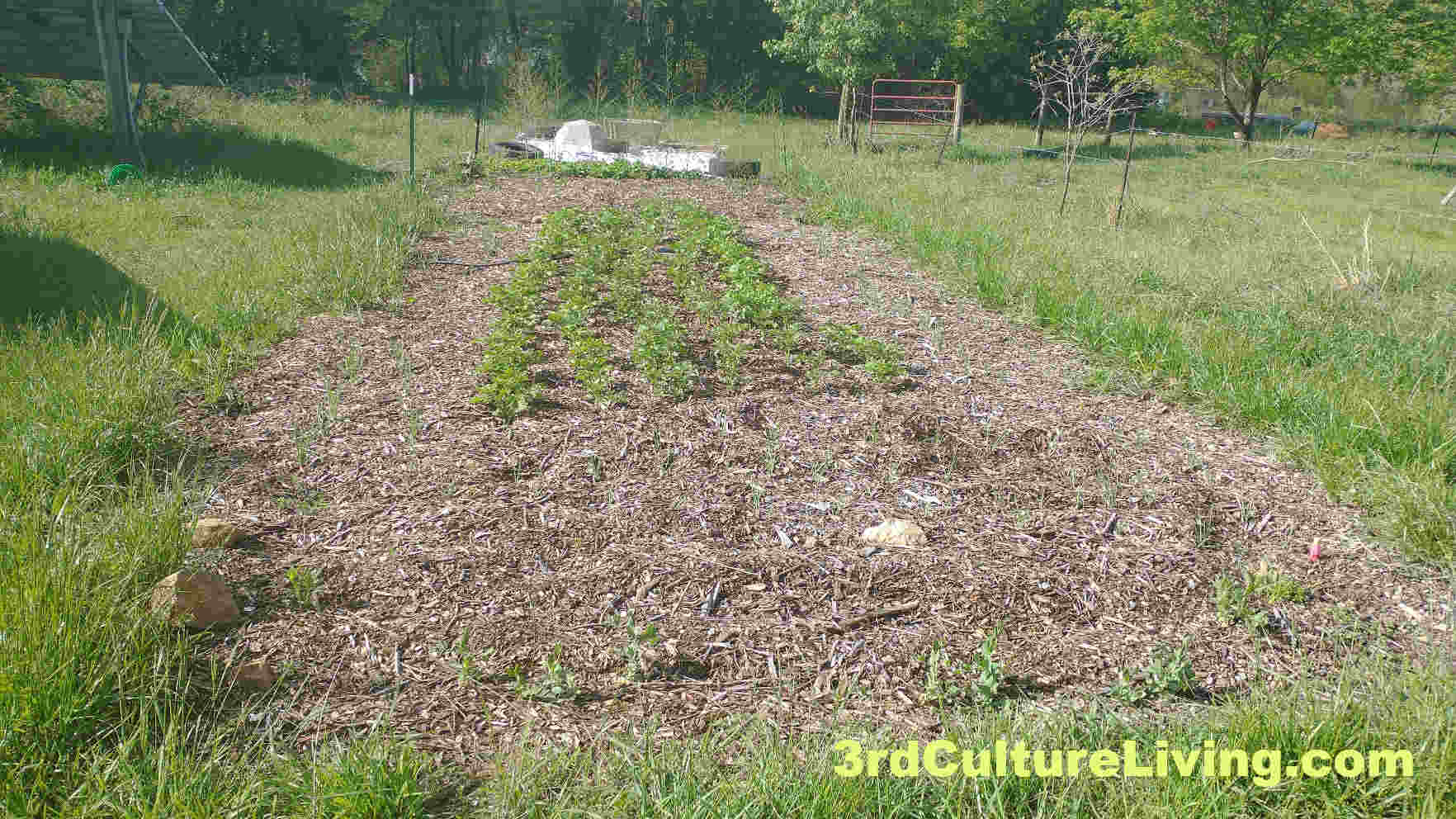

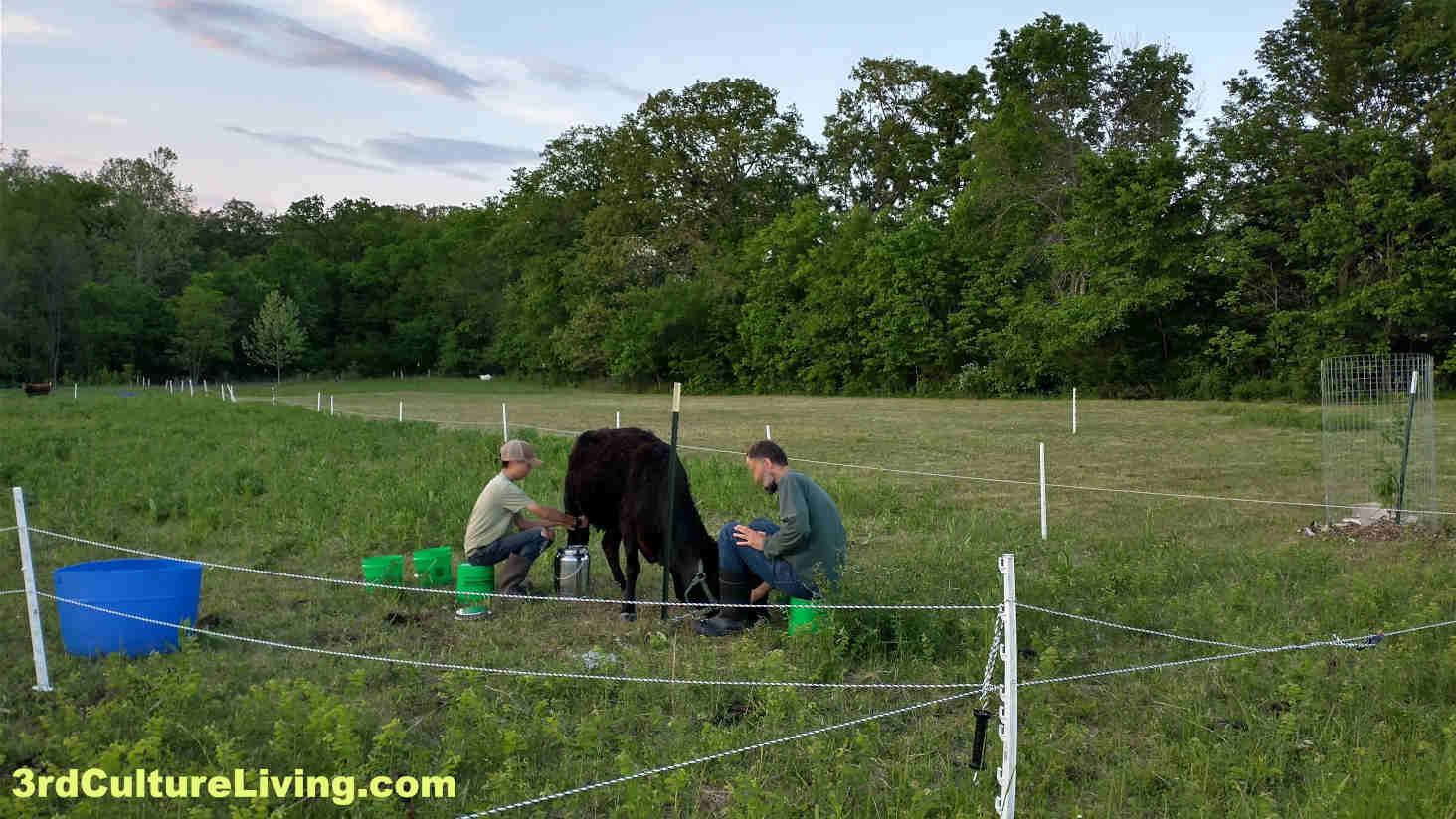

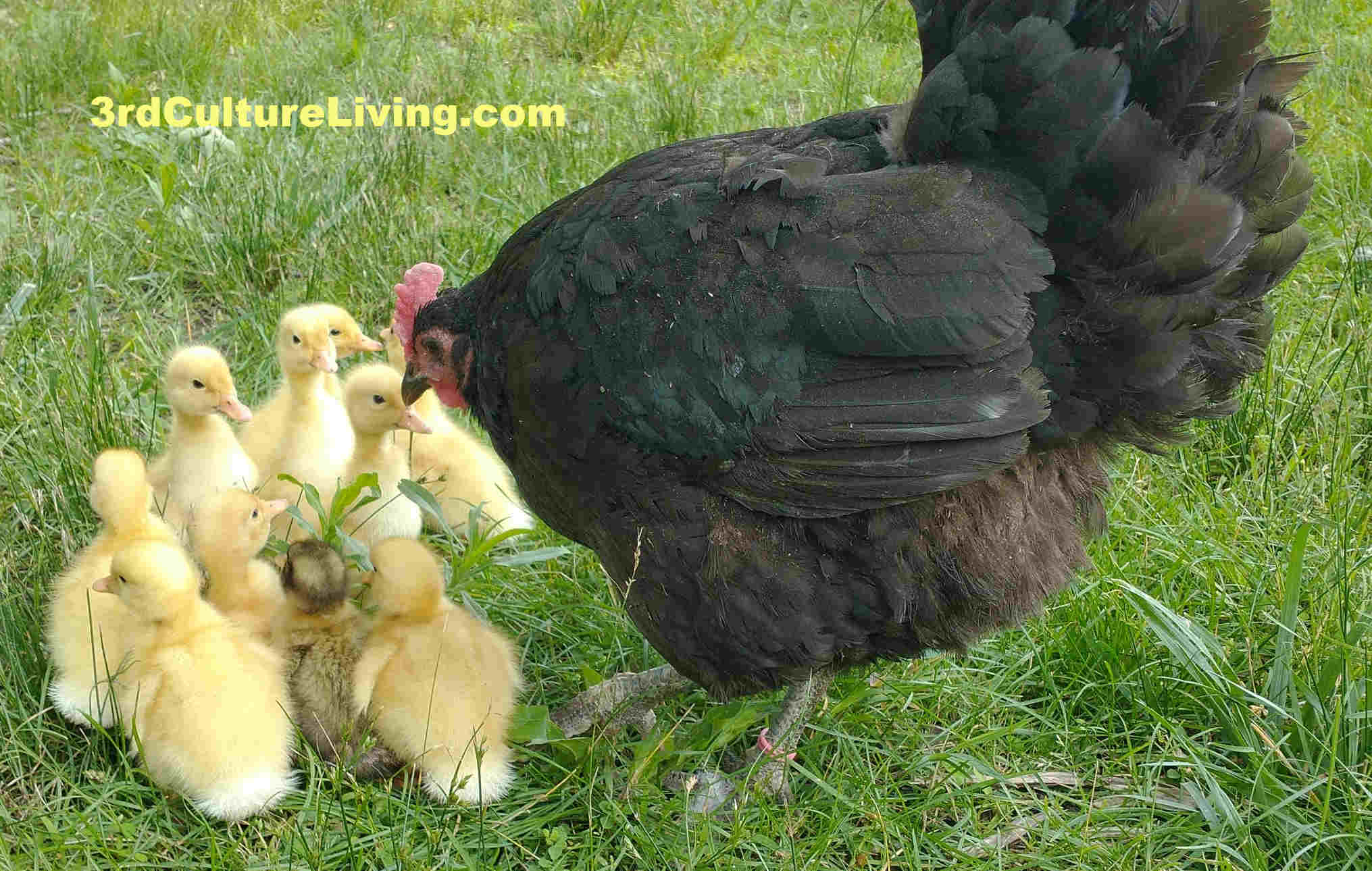


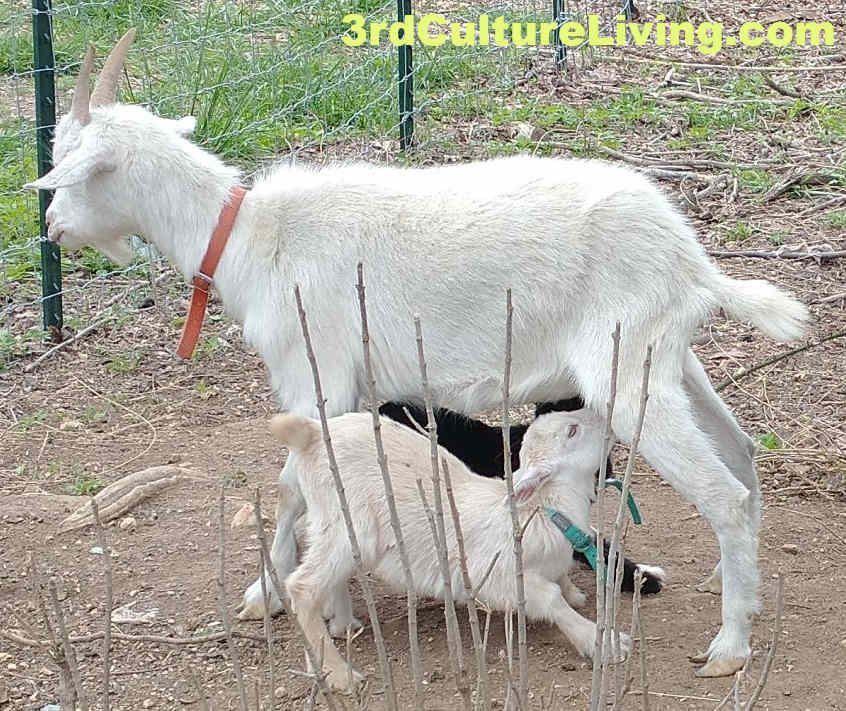


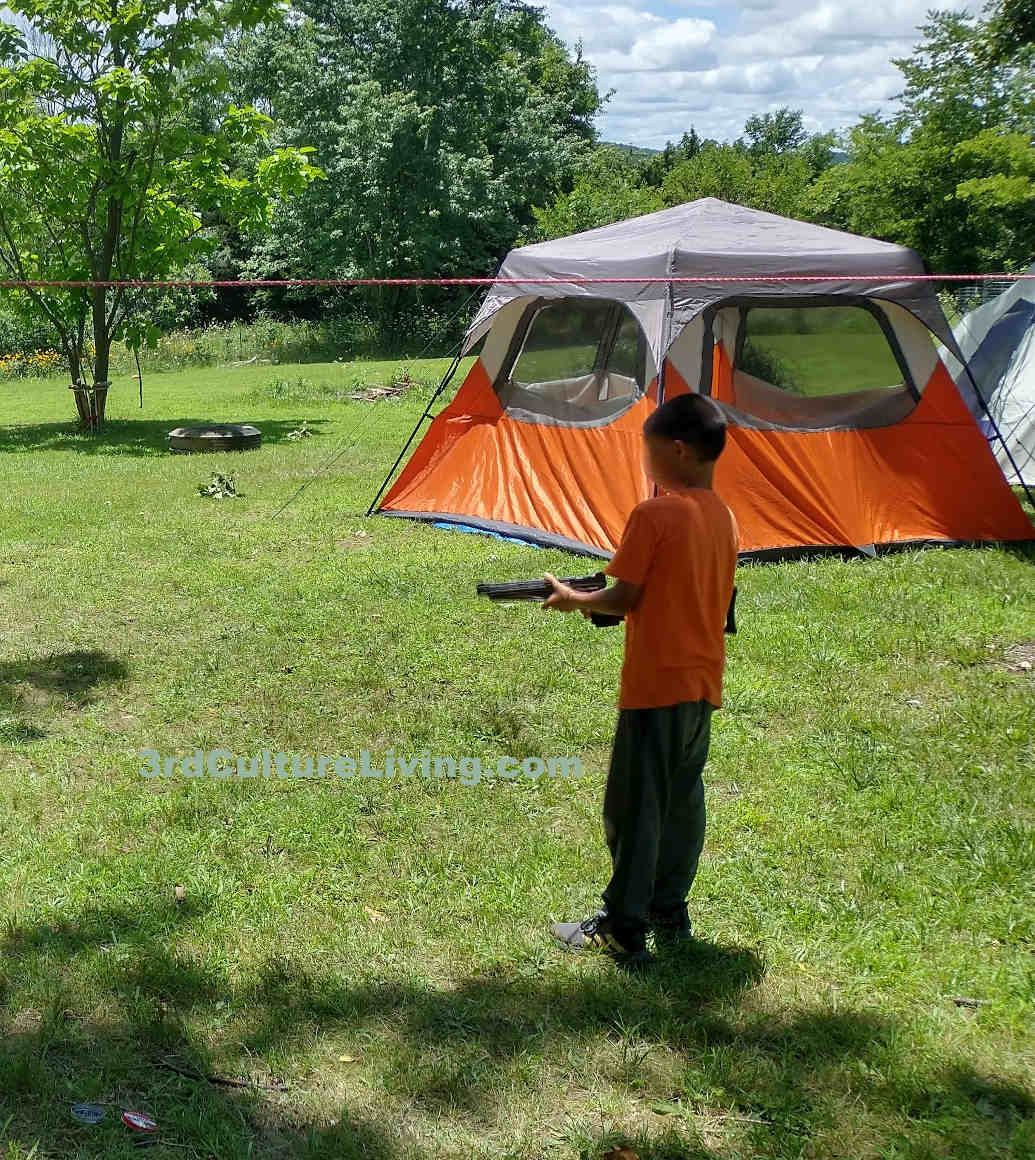


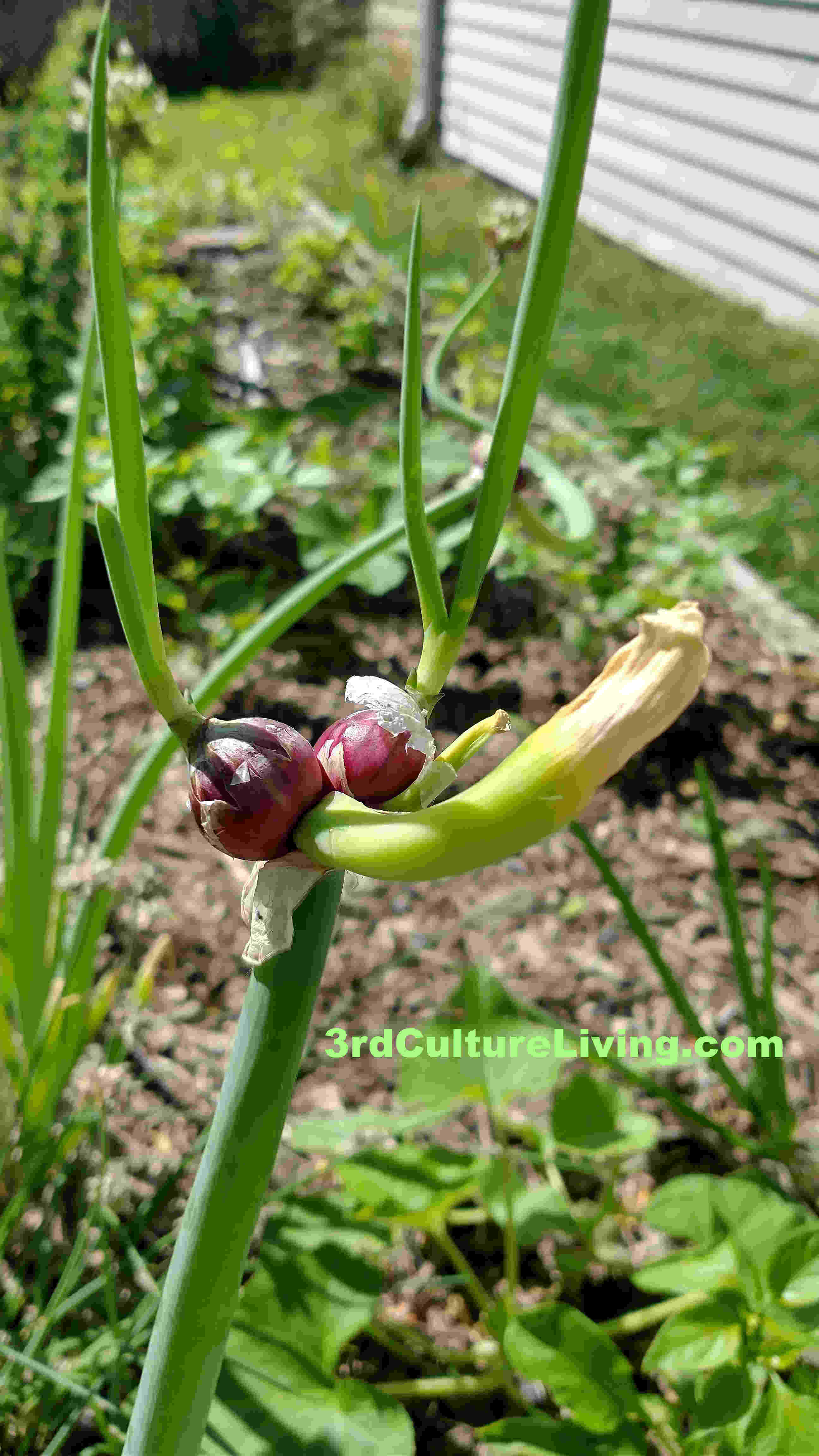

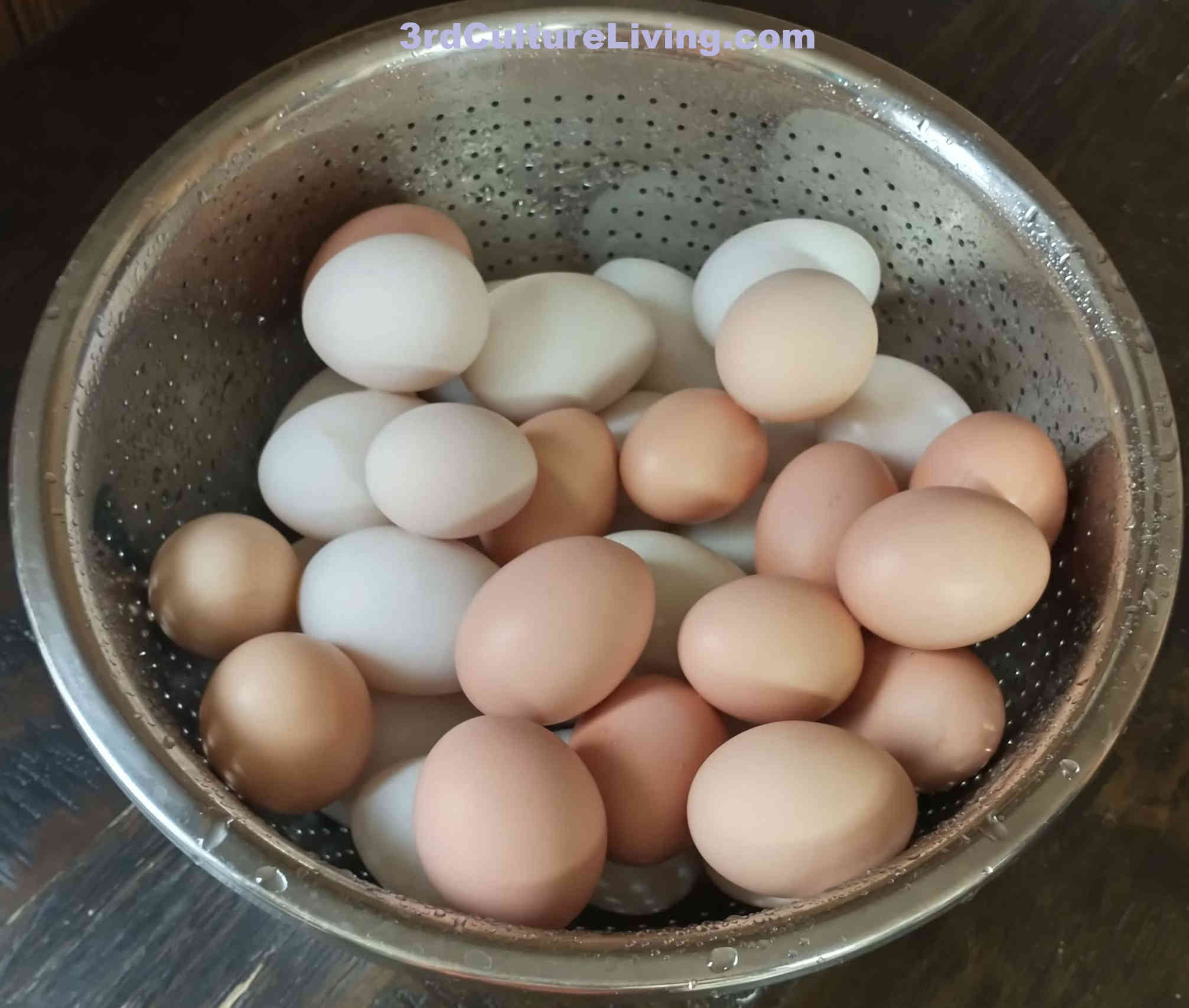
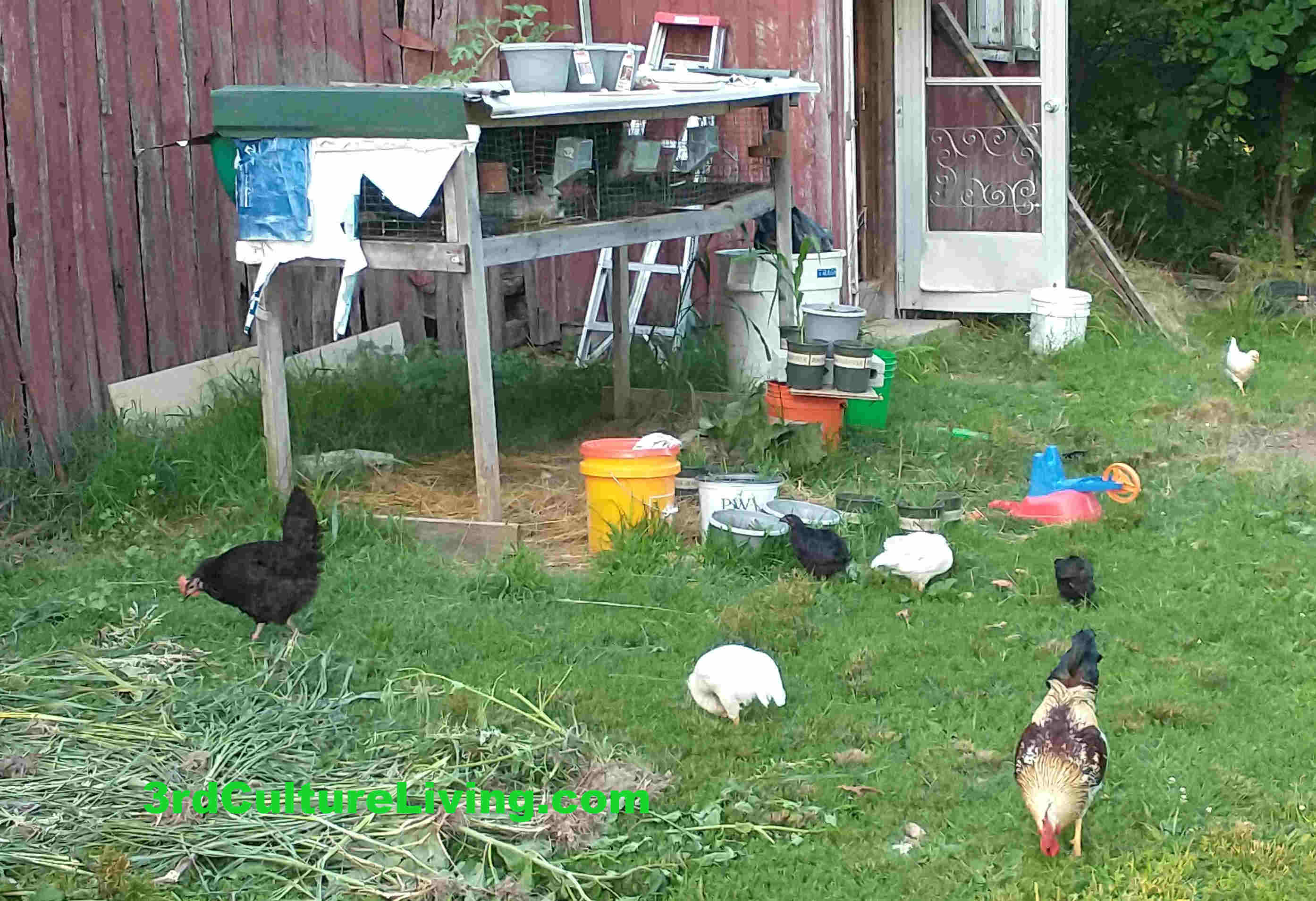


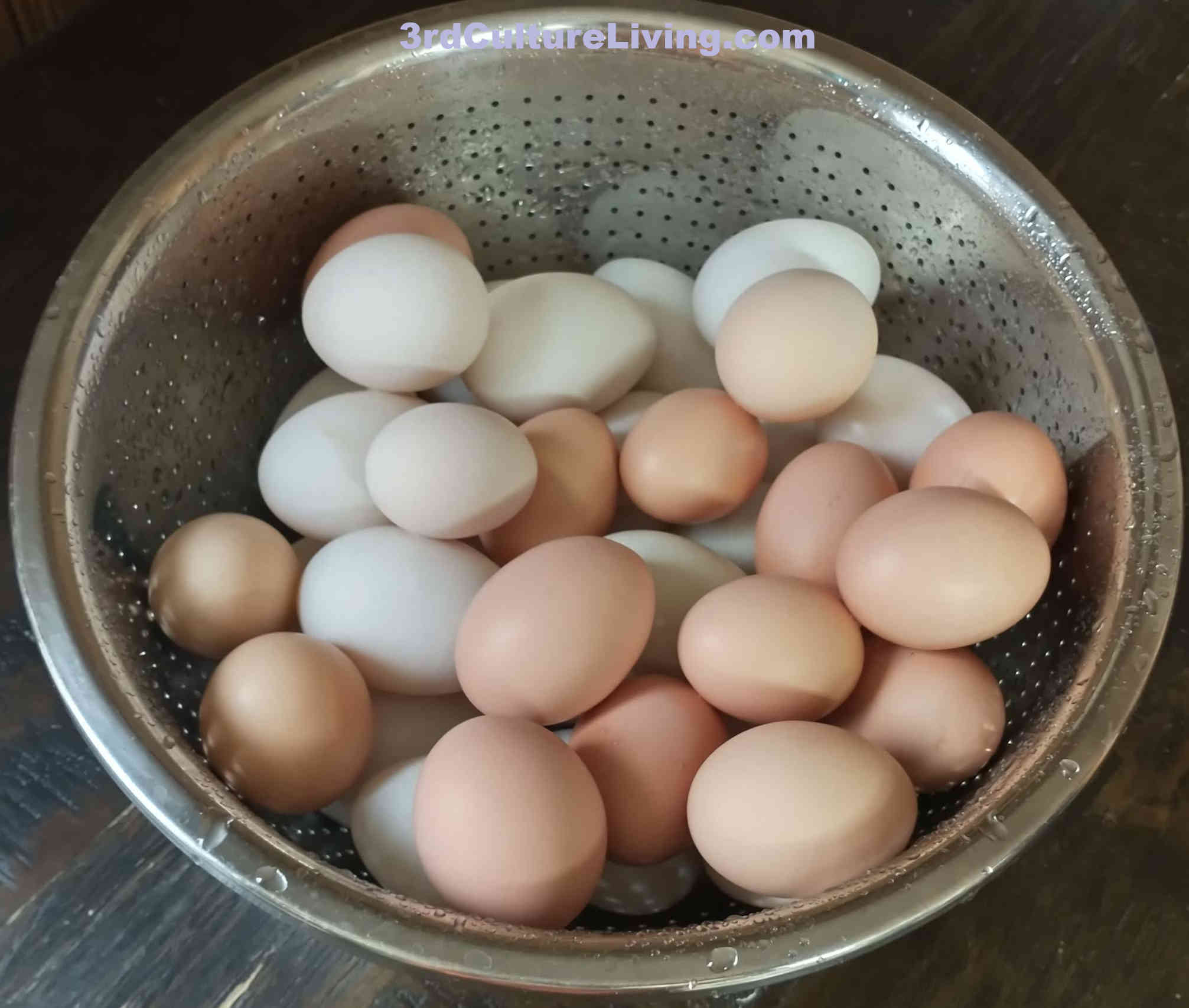
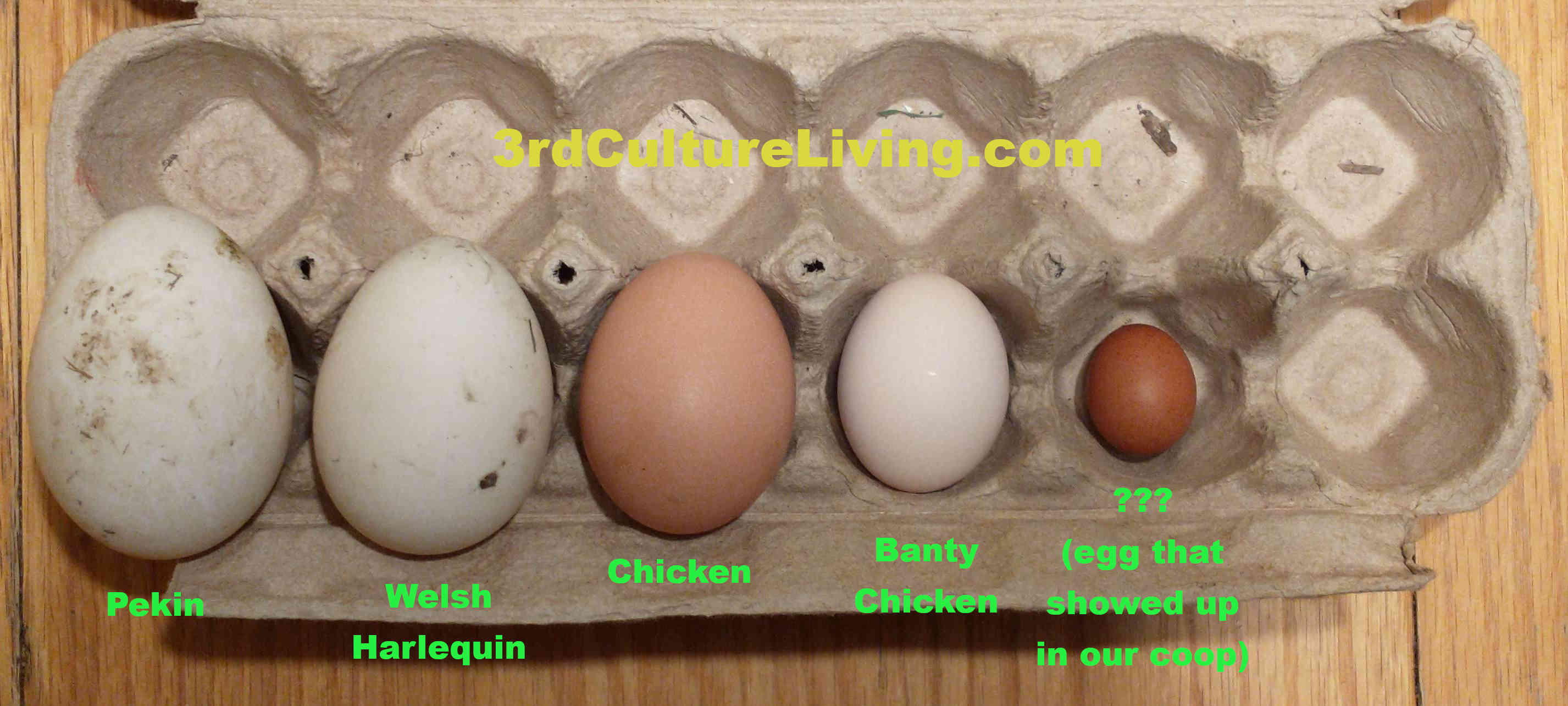


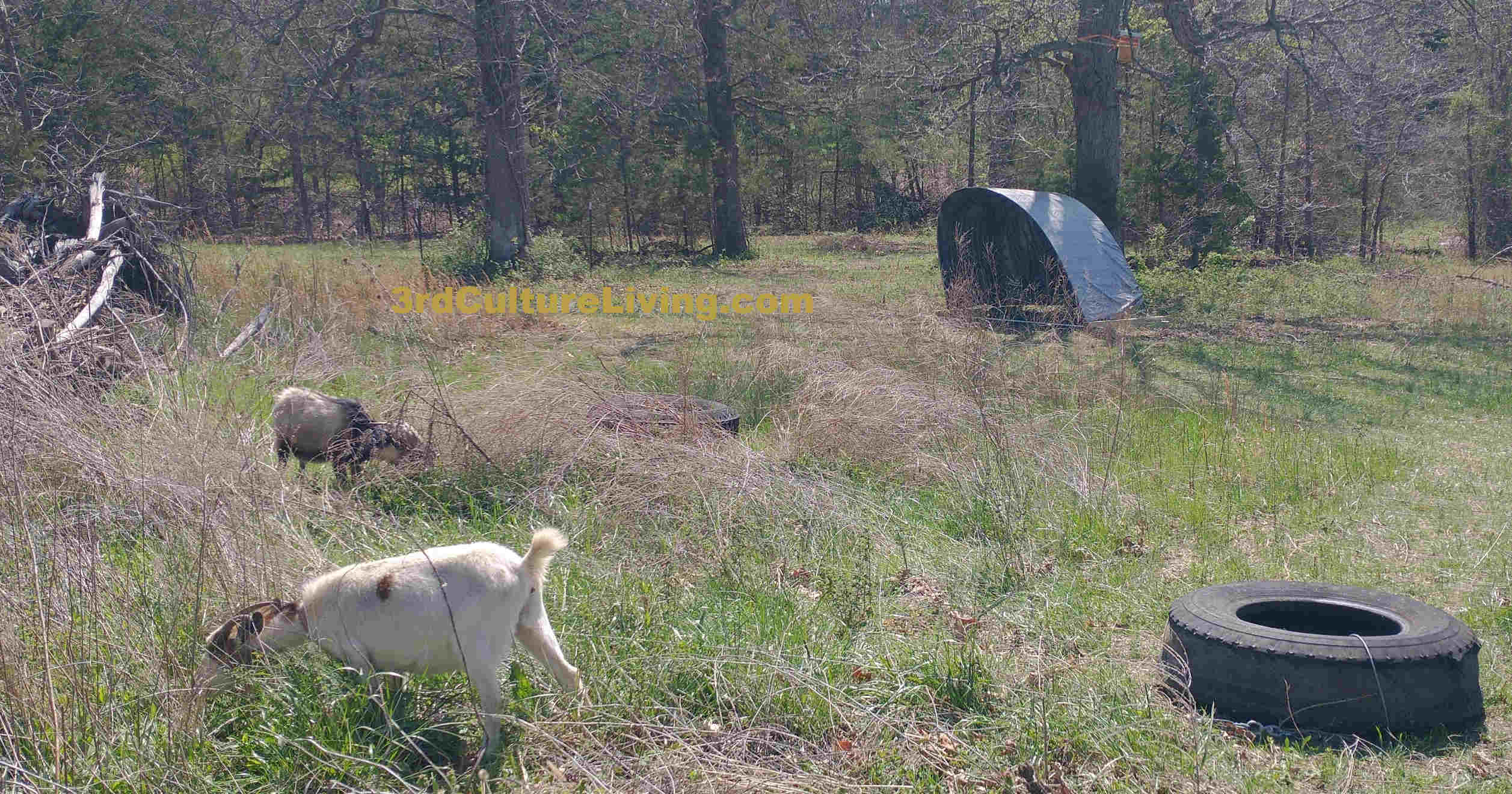


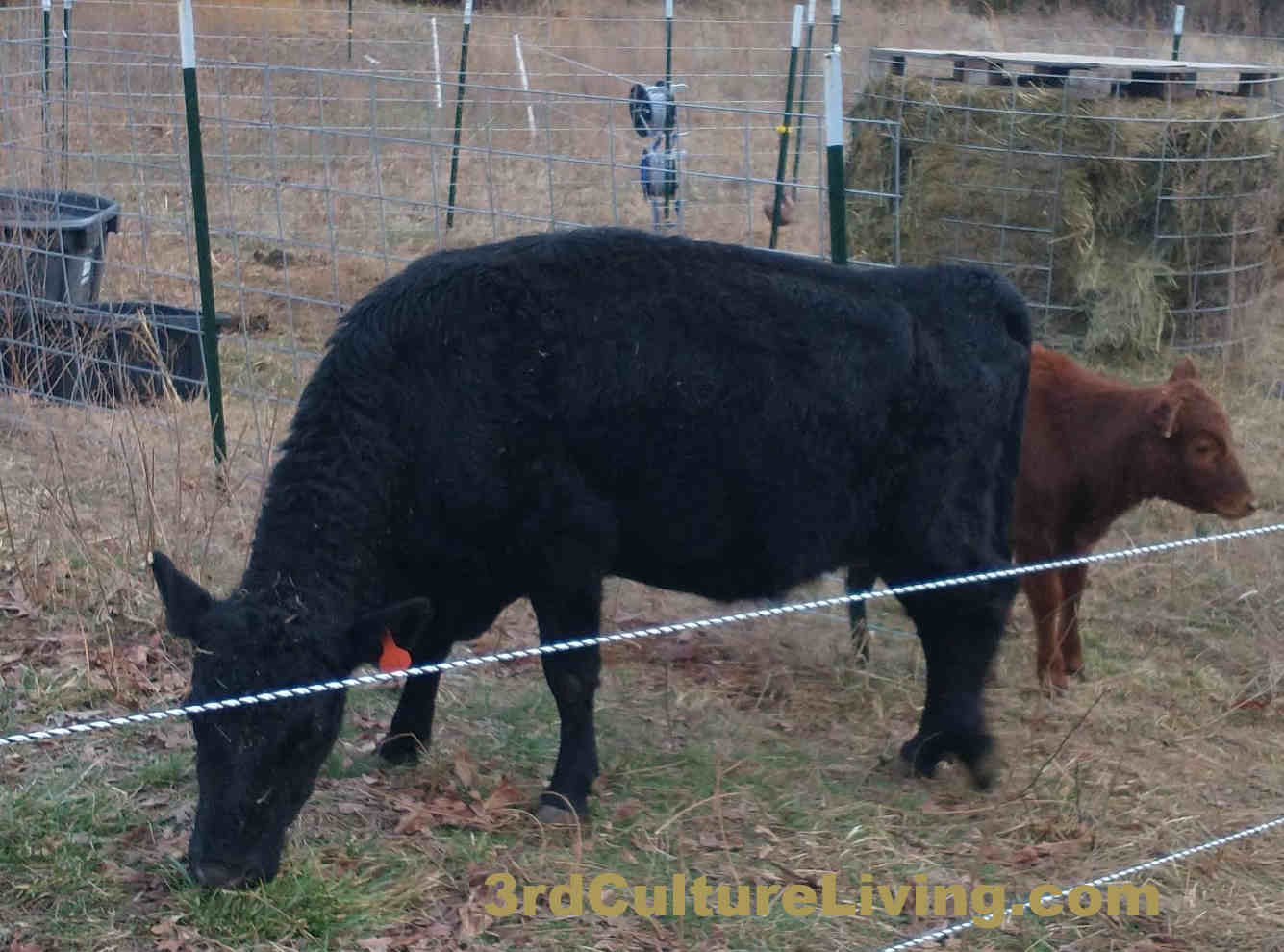

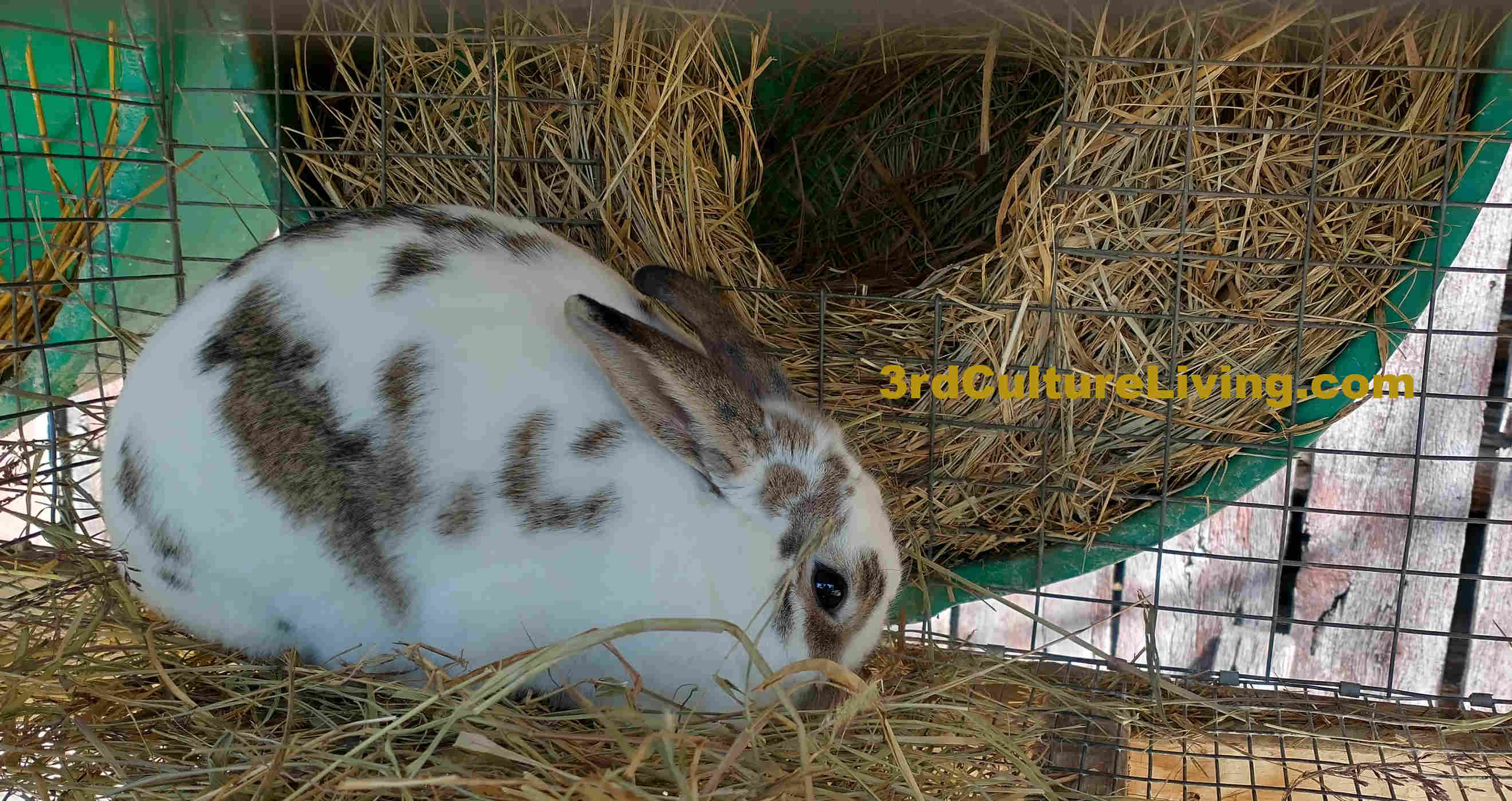


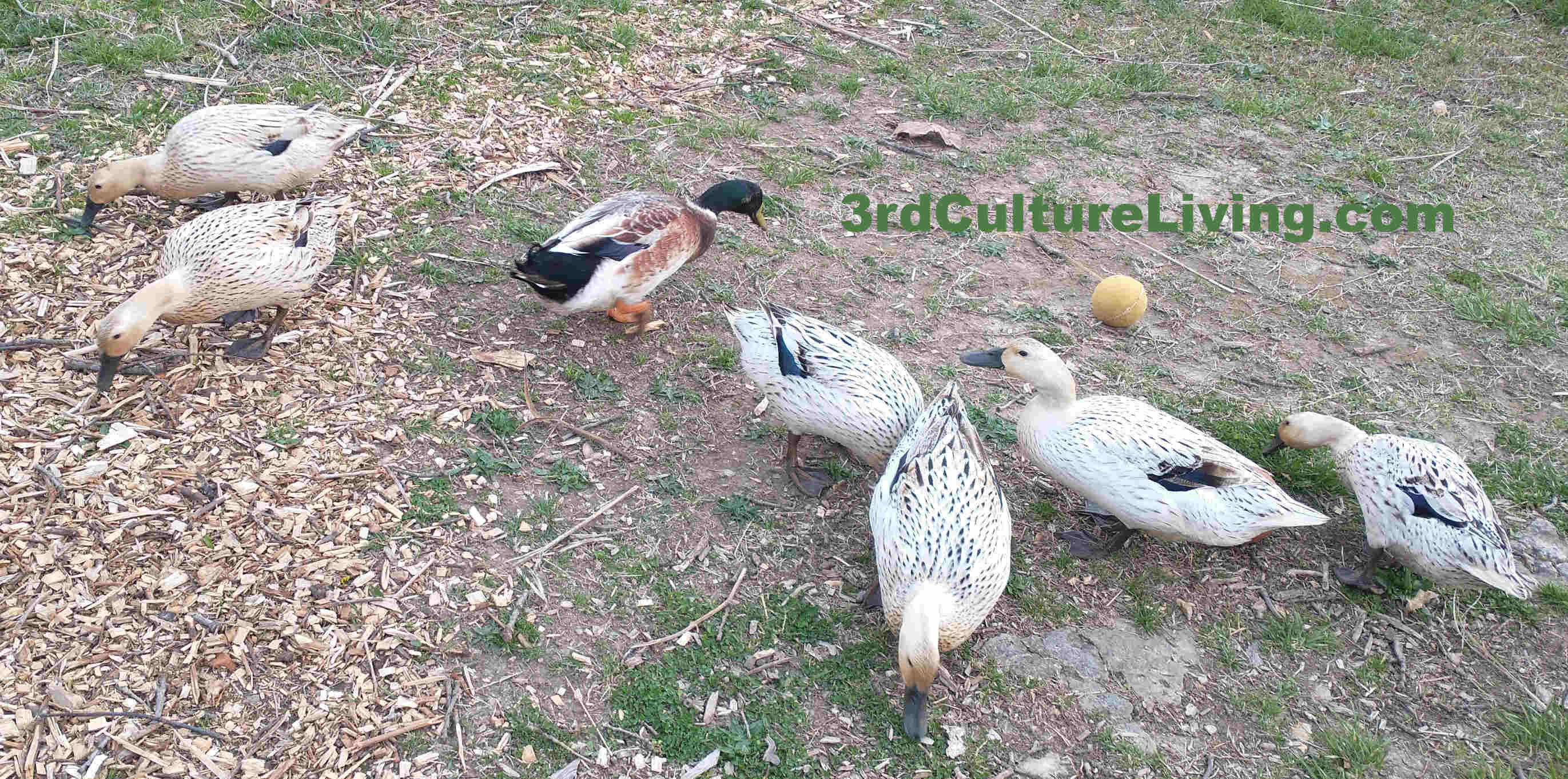


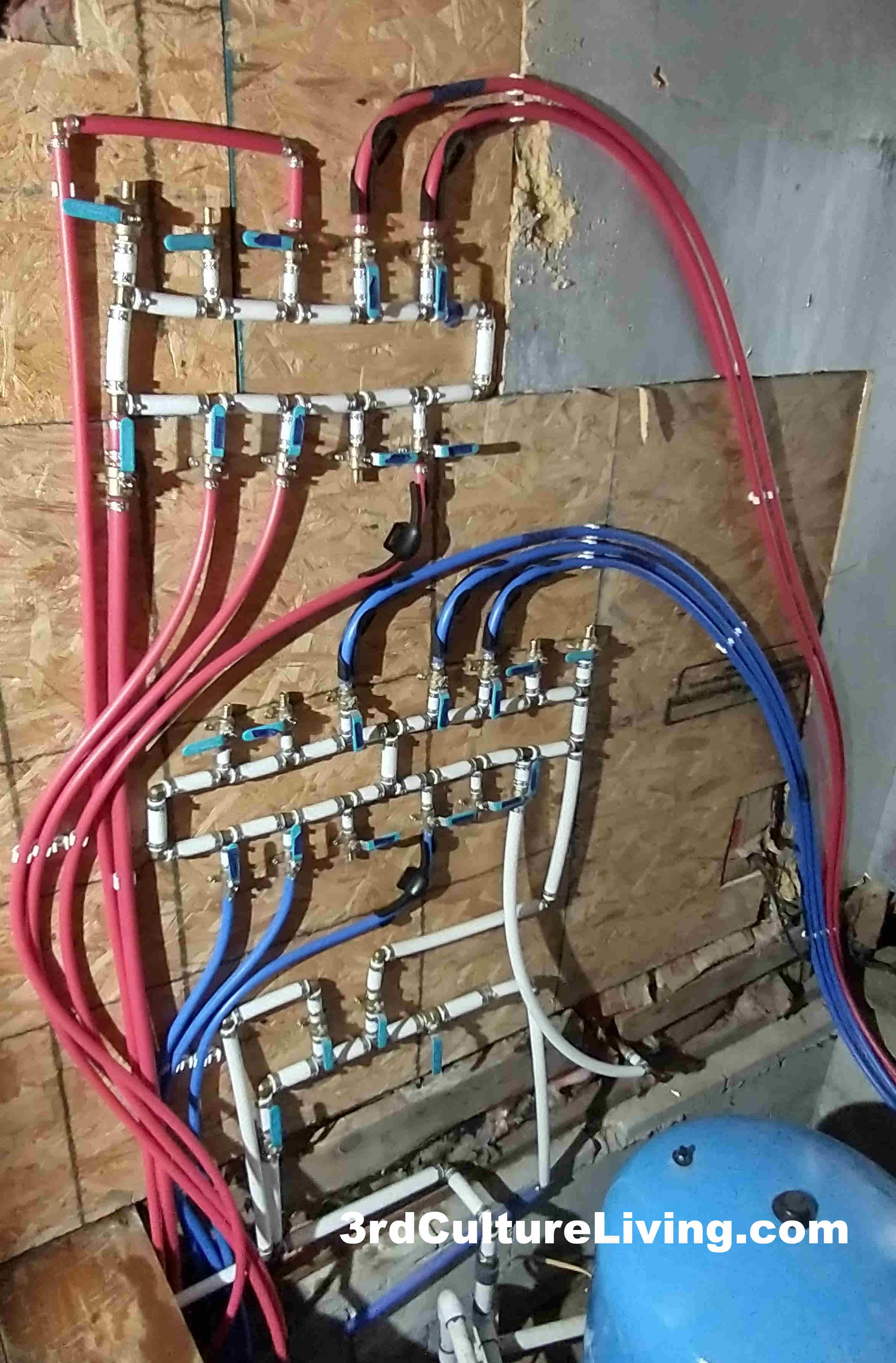

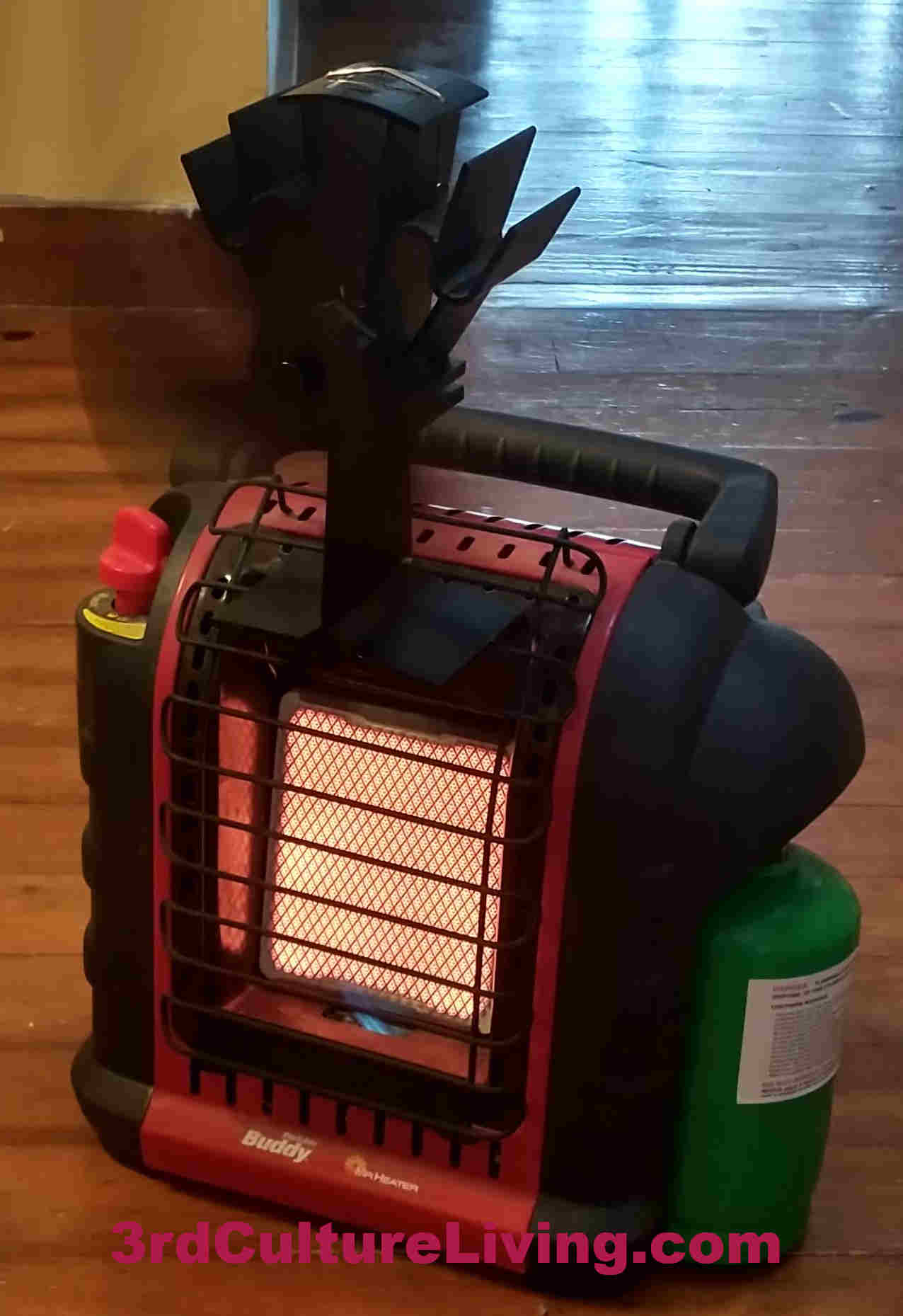


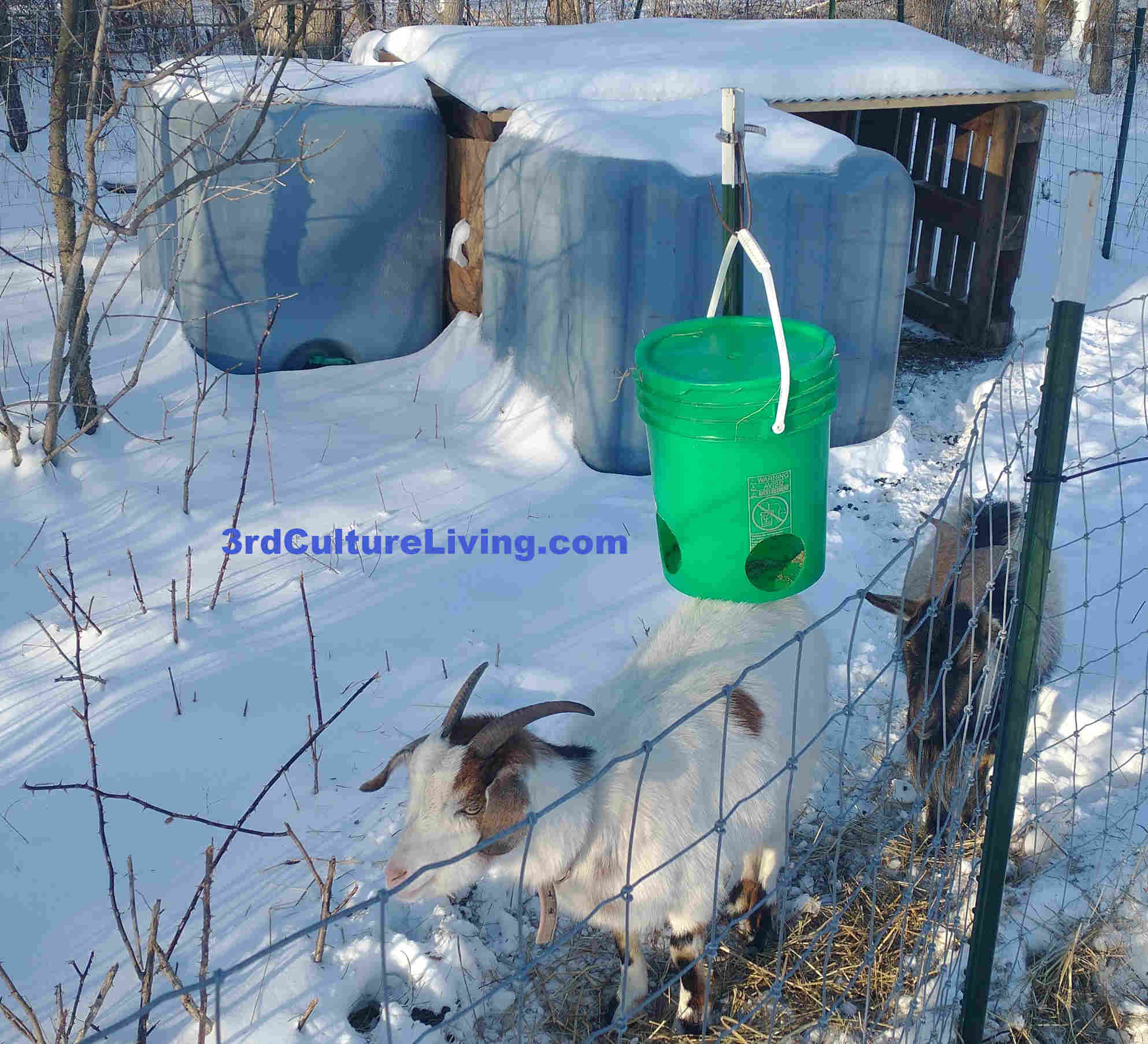


 3rd Culture Living